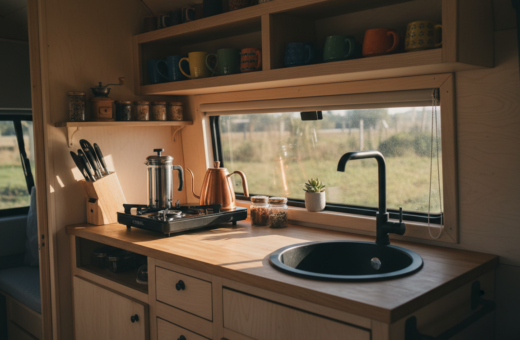
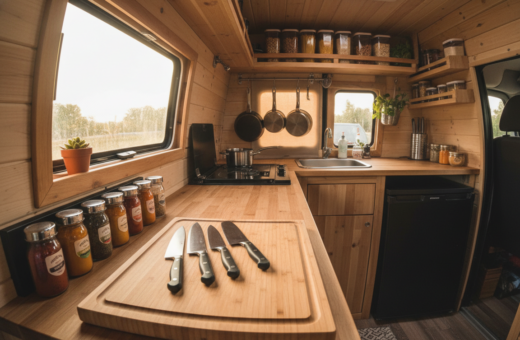
Nathan Kingsbury, Creative Director at Nathan Kingsbury Design, warns that a poor plan can turn a brief morning routine into a daily frustration. He says a well-thought design should support how people move through the space to prep, brew, and clean with ease.
Many homeowners favor looks over function, and that choice can block the most basic actions. In tight areas, every bit counts. A misplaced sink, island, or oven can slow the way coffee is made and add time to a busy morning.
Designers urge people to make sure traffic paths and storage align with real use. Simple changes to cabinets, drawers, and countertop zones improve workflow and reduce clutter. With careful planning, the room becomes efficient and calm.
Key takeaways:
1. Prioritize workflow over pure style to speed morning tasks.
2. Plan storage and appliance placement so every part of the space works for daily use.
Understanding the Impact of Small Van Kitchen Layout Mistakes
When a plan forces awkward movement, the room fights every task and slows the morning. Catherine B. de la Sablonnière of Ateliers Jacob warns that poor plans let the space work against users. That friction adds stress during peak hours.
Avoiding small van kitchen layout mistakes matters because the kitchen is one of the most costly areas to renovate in a home. A bad renovation can lock in design problems for years and raise costs.
Big-box displays often fail as true design inspiration. They mix cabinetry and finishes without real workflow, which can encourage common kitchen design mistakes.
To stay efficient, designers focus on two essentials:
- Proper placement of cabinets and storage to keep tools within reach.
- Layered lighting that supports tasks and brightens prep areas.
- Design choices that fit how the room is used daily, not just how it looks.
“Layout errors cost time and money; good planning prevents both,” says a design director.
Prioritizing Workflow Over Aesthetic Trends
Efficient mornings start when the plan of a cooking space matches how people move and work. A design that fits routines saves time and reduces friction during peak moments like brewing or meal prep.
The Golden Triangle Concept
The work triangle—cooktop, sink, and fridge—remains a core rule in modern kitchen design. Nathan Kingsbury notes this arrangement keeps walking time low and keeps appliances within grasp.
Placing these three points correctly limits interruptions to the flow. It also helps avoid common design mistakes that add seconds to every task.
Designing for Daily Habits
Designers ask homeowners to list daily actions before chasing trends. For example, if coffee is essential, position storage, water access, and power near the brew zone.
- Map the routine: where items live and where hands reach.
- Prioritize storage and appliance placement to keep tools at hand.
- Choose lighting and cabinet heights that match how the family cooks.
“A kitchen should support what you do every day, not what looks good in a showroom.”
Avoiding the Oversized Island Trap
A bulky island can look impressive but often turns a busy room into a maze.
Catherine B. de la Sablonnière warns that shoehorning an island into tight space will restrict movement and make the area feel cramped.
That interruption matters. An oversized island can block the path between the range and sink and slow every morning routine.
Designers flag common kitchen design mistakes when form outweighs function. A thoughtful kitchen design keeps walking lines clear and work zones reachable.
PJCArchitecture recommends narrow or angular islands as an example of compromise. These shapes add counter area without creating barriers.
- Keep at least one clear route between sink and range.
- Choose an island that supports prep, not one that dominates the room.
- Consider mobile or slim profiles for a small kitchen.
“A kitchen island should be a useful addition to your home, not a barrier during your morning routine.”
Scaling Down Sink and Appliance Choices
Reducing fixture size frees counter area and smooths daily tasks. In tight kitchen design, a choice to shrink a sink basin can recover valuable workspace. Christian Bense, an award-winning designer, notes that a scaled-down sink often adds significant usable area around the prep zone.
Selecting compact appliances keeps the room efficient and uncluttered. The 24-inch Sharp microwave drawer is a smart pick for those who find high ovens hard to reach. It integrates neatly and offers easier access for quick reheats.
Selecting Compact Appliances
Integrating appliances into cabinetry reduces visual clutter and keeps counters clear for brewing and prep. Häfele Canada’s pull-out solutions and drawers help maximize storage in a new kitchen and make pantry items reachable.
- Prioritize countertop near the sink and cooking area to avoid common kitchen design mistakes.
- Choose appliance sizes that match how the home is used daily, not model-for-model trend size.
- Use built-in units and pull-out drawers to keep the island and counter free for tasks.
Maximizing Countertop Space for Morning Brewing
Clear, planned counter areas make brew time quick and keep the morning routine calm.
Nathan Kingsbury notes that underestimating countertop needs for appliances like coffee gear is a common kitchen design mistake.
Designers recommend a dedicated brew zone near water access and the sink so the area stays functional. Integrating appliances into cabinets frees the main counter and keeps the workflow smooth.
A multi-use kitchen island can add prep area when it does not block movement. Keep at least one clear path between the island and primary work surfaces.
Keep the counter clear by using smart storage: pull-out trays, appliance garages, and vertical shelving. These choices protect the primary countertop so the room works every morning.
“Give the morning station room to breathe: a robust, accessible workspace transforms daily routine,” says a design director.
- Place major appliances off the main counter when possible.
- Reserve a clear countertop strip for brewing and prep.
- Use built-in storage to reduce clutter and speed routine tasks.
Optimizing Vertical Storage Without Clutter
Going up instead of out recovers room and keeps counters free for daily tasks. This approach lets a compact kitchen feel orderly and intentional.
Benefits of Open Shelving
Open shelving creates a sense of openness along a wall. It prevents the top-heavy look that can make kitchens feel cramped.
Well-lit shelves also act as a display and a practical place for frequently used items.
- Improves visual flow and provides quick access.
- Works well with strip lighting to draw attention to architectural detail.
- Pairs with closed cabinetry below for hidden storage.
Utilizing Ceiling Height
Stretching cabinets to the ceiling adds real storage without extra clutter. Tall cabinetry keeps the room seamless and gives a polished design finish.
Affordable solutions like the Solejazz trolley (£16.99) add three tiers of mobile storage when extra counter space is needed. Blum Space Step plinths turn high shelves into usable zones and bring stored items within reach.
“Thoughtful vertical choices free counters and make every bit of space useful.”
Embracing Linear and Galley Configurations
A galley arrangement channels movement so prep, cooking, and cleanup flow without doubled steps. This approach supports the Golden Work Triangle by keeping the fridge, sink, and range in a tight, logical sequence.
Simon Ribchester suggests opening sightlines in a linear plan to boost the flow of the space and make the room feel larger.
Galley and linear kitchens work especially well when every inch counts. They create a clear progression from prep to cook to clean. Homeowners gain more usable counter runs and easier reach to cabinets and storage.
A high-quality Fisher & Paykel 36-inch gas oven fits neatly into a streamlined galley run and keeps major appliances aligned for smooth use. That single appliance choice can anchor a practical work zone.
Benefits at a glance:
- Efficient traffic flow between prep, cooking, and cleanup.
- Maximizes narrow space without adding bulk.
- Keeps storage and appliances within easy reach.
“A linear approach turns tight footprints into highly functional rooms.”
Managing Door Clearance and Cabinet Depth
Door swings and deep cabinetry quietly steal usable walking room if not planned from the start. Thoughtful sizing keeps the room functional and reduces daily friction.
Designer Christopher Boutlier often specifiers 15″ or 18″ shallow cabinets to free circulation in a tight kitchen. These reduced depths give more clear space without losing essential storage.
Customizing Cabinet Depth
Customizing cabinet and cabinet depths by area improves how people move and reach. Placing shallower upper runs near traffic lanes preserves passing space.
- Check door swings: Ensure drawers and doors never collide with an oven handle or adjacent opening.
- Prefer wide drawers: Deep, wide drawers in base units make pots and utensils accessible and beat fixed shelving for usability.
- Plan during renovation: Coordinate all moving parts—doors, drawers, and appliance pulls—so they operate together.
Careful cabinet sizing and clearances prevent one of the most costly kitchen design common design mistakes in a renovation. The right choices create more usable areas and a calmer place to work each morning.
Integrating Lighting and Electrical Needs
Planning where light and power go is as vital as choosing the sink or stove in a tight space. Proper placement of fixtures and outlets supports daily brewing, prep, and cleanup. Thoughtful choices make the room safer and more pleasant to use.
Task Lighting Essentials
Task lighting prevents chopping in shadow and keeps work areas clear. Use under-cabinet LEDs, focused pendants over prep islands, and recessed pot lights above key counters.
Strategic Outlet Placement
Discuss outlets early in any kitchen design plan so coffee machines and other appliances have power where they belong. Place receptacles near the sink, brew zone, and pantry to reduce cord clutter and speed routines.
Layering Light Sources
Layered lighting improves function and mood. Combine ambient pot lights, task strips under cabinets, and accent strip lights on shelves to create depth and ease during cooking.
- Keep switch and outlet locations aligned with prep areas.
- Add shelf strip lighting in the pantry so items are visible.
- Choose dimmable fixtures to shift from prep to relaxed mornings.
“A well-lit counter transforms how a small room performs during a busy morning.”
Conclusion
A thoughtful refresh can turn daily brew time into a calm, dependable ritual.
Improving your kitchen plan is an investment that saves time and improves how a home runs each morning. By avoiding common design errors, owners make spaces both beautiful and useful regardless of square footage.
Prioritizing workflow over fleeting trends helps the room remain a practical part of everyday life for years. Careful renovation planning—from lighting to storage—creates a cohesive, efficient environment.
Focus on how people actually use the space. Even the smallest kitchen works well when traffic, power, and storage support real routines. For practical conversion and build advice, consult these van build tips.