The Vansmith has spent nearly a decade in Colorado refining conversions and testing equipment in real-world conditions.
They note that many who embrace van life bring too much gear. This excess eats into precious storage and drains power.
Every item should earn its place by offering high function or lasting build quality. Investing in essential van life items from the start avoids swapping broken gear during the first few years on the road.
A minimalist setup saves time and reduces daily stress. By prioritizing quality over quantity, travelers build a reliable power and storage system that supports their life for years.
This short guide helps readers spot which pieces truly belong and which are quietly costing space, energy, and time.
The Hidden Costs of Overloading Your Van
Packing a life on wheels often hides weight and cost until the first steep grade or service bill. Exceeding payload limits, like those listed for a Ford Transit, changes how a build feels and performs.
Overweight loads can cause dangerous handling and extra wear on suspension, brakes, and tires. This reduces overall safety and shortens component life.
Many people new to van life spend big on heavy gear that drains power and steals storage. Without a clear weight plan, those purchases cost more than just sticker price.
Understanding your vehicle’s GVWR and calculating each item’s mass is essential. A well-balanced build is easier to drive, more fuel-efficient, and keeps repair bills down.
“Plan the weight first; the layout second.”
- Respect payload limits to avoid handling problems.
- Weigh gear and storage units before installing them.
- Light builds let you spend more money on travel experiences, not maintenance.
Identifying Unnecessary Camper Van Appliances
What looks clever in photos can become dead weight when space and water are scarce. This short guide helps readers spot hype and keep only tools that actually earn their place on the road.
Common Gimmicks
Many products promise a revolution but fail under daily van life demands. The Vansmith found over years that single-purpose gadgets often break or draw too much power.
- Sales photos hide real water use and setup time.
- Specialized items can duplicate what a multi-tool already does.
- Looks on social media rarely equal practical value for camping routines.
The Space-to-Utility Ratio
Measure how much space an item takes versus how often it gets used. Small builds benefit from multi-use gear and simple kitchen tools that last years.
Rule of thumb: if a tool solves fewer than two real needs, skip it. This keeps storage clear and saves power for travel priorities.
Why Bigger Power Systems Often Lead to Waste
A massive battery bank can sit unused for weeks while adding weight and complexity to life on the road.
The Vansmith recommends a 2kWh Lithium smart electrical setup as a dependable baseline. That system pairs 300W of solar with shore power and alternator charging from the vehicle. It covers common van life loads without the bulk of oversized batteries.
The U.S. Department of Energy stresses that right-sized systems and efficient power management matter for off-grid vehicle use. Oversizing adds cost, reduces cargo room, and increases the chance of extra service visits.
Choosing capacity should follow real use, not fear. Many people buy a larger option thinking it will solve problems, only to carry a lot of unused capacity.
- Right-sized battery banks keep weight down and support longer, simpler trips.
- Efficient charging from solar and alternator sources often beats sheer size.
- Consulting a professional service helps match power to lifestyle and avoids overbuilding.
“Proper power management is a cornerstone of successful van life.”
Kitchen Gadgets That Take Up Too Much Room
Large kitchen gear can steal storage and add strain to a small battery system. Travelers should pick items that earn space and limit power draw. A tidy setup saves time and reduces water use during clean up.
Bulky Coffee Makers
Bulky coffee devices often sit unused or need high power. The AeroPress Go is a compact option that brews well and fits tight storage. It frees counter room and lowers energy use compared with larger machines.
Specialized Cooking Tools
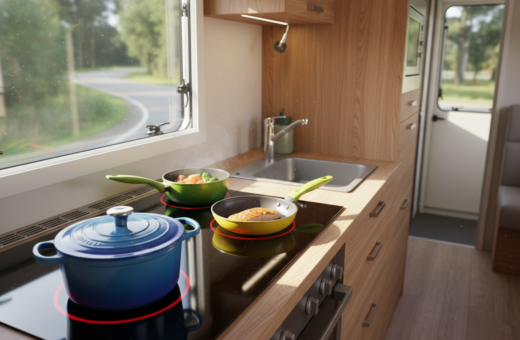
Many single-use devices add weight and clutter. The Duxtop 8100MC induction cooktop is a game-changer because it offers precise control while staying compact for small kitchen storage.
Redundant Food Storage
Excessive plastic containers take up a lot of space. Collapsible silicone bags replace many rigid boxes and save room. Replacing redundant items with multi-purpose gear keeps the van life kitchen functional and organized.
- Key: choose multi-use tools to reduce size and things you rarely touch.
- Tip: limit high-draw devices and match gear to real use to protect battery and water supplies.
The Truth About Single-Use Bathroom Gear
Disposable bathroom items often trade short-term convenience for long-term hassle. Travelers find that one-use products fill storage and add chores while offering little real benefit to life on the road.
High-quality toilet systems change that equation. The Nature’s Head composting toilet is a common choice for van life. Priced around $900–$1,000, it runs odorless and removes the need for a black water tank.
A reliable toilet reduces trips to dump stations and simplifies daily routines. It also lowers the amount of disposable waste packed into the vehicle.
Safe drinking water supports every system in a small build. A dedicated filter like the Guzzle H2O Stealth Flex provides proven protection and expands fill options for longer trips.
- Reusable options, such as the Kula Cloth, save space and often feel more hygienic than rolls of paper.
- Investing in a robust toilet and a good filter improves freedom and safety on the road.
- Simple, durable gear beats disposable items that clutter storage and create ongoing costs.
“Simplicity and durability are more valuable than the short-lived convenience of disposables.”
Evaluating Climate Control and Comfort Items
A smart approach to comfort focuses on items that deliver measurable temperature control and storage efficiency.
Heating and cooling choices affect both daily comfort and long-term utility. The Webasto Air Top 2000 STC is a proven diesel heater that delivers reliable warmth but requires professional installation for proper safety and performance.
Over-Engineered Heating Solutions
Over-engineered systems can add complexity without clear benefit. Choosing a known, serviceable system like the Air Top 2000 STC reduces headaches and supports consistent cabin temperature.
- Insulation and window covers: Multi-functional covers provide privacy and improved insulation to manage heat from the sun.
- Cooling tactics: Fans and well-placed shade often beat high-draw air conditioners for daily comfort. For more on efficient options, consider an efficient 12V cooling solution like those discussed in this best 12V air conditioner guide.
- Furniture trade-offs: Zero gravity chairs add comfort but check how much space they occupy when stored.
“Prioritize climate gear that balances temperature regulation and portability.”
Finally, install heating with ventilation and a reliable carbon monoxide detector. That keeps safety front and center while keeping life on the road cozy and efficient.
Digital Nomad Gear That Often Goes Unused
Reliable network access transforms a mobile build into a true remote office. For many who work from the van, connectivity is the feature they cannot compromise.
The WeBoost Drive Reach RV (about $500–$600) is a practical investment for digital nomads. It boosts cell signals and reduces dropped calls when parked or on the road.
Too much tech can clutter storage and draw needless power. Instead, prioritize items that keep a phone and laptop online and a job running smoothly.
- Essential: a reliable cell booster for steady service and fewer interruptions.
- Backup: a Garmin inReach Mini 2 offers satellite messaging and emergency access when camping far from towers.
- Plan: match data and power needs so extra devices do not overrun the electrical system.
“Streamlining digital gear keeps work professional and reduces cable chaos.”
Replacing Bulky Tools with Multi-Purpose Alternatives
Choosing the right set of hand tools can cut storage needs and speed up roadside fixes. A small collection of high-quality items replaces large boxes and keeps life moving.
The Power of Multi-Tools
The Leatherman Wave Plus is a proven 18-tool package that fits many daily maintenance tasks. It serves as pliers, knife, bit driver, and more in one compact unit.
Using a single high-grade multi-tool saves space and time. It reduces the need for duplicate items and frees valuable storage for essentials like water and a filter.
Essential Maintenance Kits
A lean kit combines a quality multi-tool with a portable air compressor such as the Viair 88P. That compressor keeps tires at proper pressure while on the road.
- Battery and water checks: basic wrenches and a multimeter help with charging and battery health.
- Organized storage: a small case keeps tools ready and prevents a heavy box from taking up space.
- Durability: invest in long-lasting tools to protect the overall van life investment and improve safety.
“A compact, well-organized toolkit keeps people independent and prepared for common mechanical issues.”
Smart Strategies for Streamlining Your Storage
Smart organization turns tight quarters into efficient living space. Using modular systems like the Frontrunner Wolf Pack storage boxes helps keep gear organized and easy to reach. These durable boxes stack and lock, which saves valuable space and speeds access to items.
Pick folding and collapsible items in the kitchen and living area to reclaim room. Collapsible containers, folding chairs, and compact kitchen gear reduce overall size while meeting daily needs.
Designate a charging zone for phone and cell accessories so cables, batteries, and power banks do not clutter counters. A small bin or drawer for charging keeps devices ready and conserves battery life during camping and travel.
- Group similar items—water filter, toilet supplies, and cleaning gear—so everything has a home.
- Review storage regularly and remove items that no longer match your needs.
- For more layout ideas on how to maximize storage in a Class B build see ways to maximize storage.
“A compact, intentional system saves time and keeps daily life predictable.”
How to Avoid Trendy But Impractical Purchases
Trends on social feeds often push purchases that fill storage but rarely serve real needs.
Before any purchase, the best test is simple: will this item solve a clear problem for daily life on the road?
Make a short list of essentials and check every product against it. If a piece of gear does not meet two uses or replace another item, skip it.
Many trendy things are built for short trips and break down under full-time use. Sticking to proven items saves money and cuts clutter.
- Buy quality over novelty to reduce replacements and wasted space.
- Test small purchases first—borrow or rent when possible.
- Prioritize items that protect phone and cell signals, clean water, and basic comfort like chairs that collapse for storage.
“Every purchase should add value, not more things to manage.”
Building a Sustainable Gear Philosophy
Prioritizing long-lived equipment saves money, power, and precious space over years. Choosing durable, multi-purpose gear reduces replacements and keeps daily life simpler.
A sustainable approach means investing in items that cut environmental impact, like efficient water filtration and right-sized solar systems. These choices lower waste and help with long-term camping and travel.
Focus on tools used every day. High-quality options cost more up front but last longer and use less power over time. That reduces ongoing expense and maintenance.
Keep storage lean so the living space stays functional. A single multi-use piece often replaces bulky duplicates and clears room for essentials.
- Choose: durable filters, compact power setups, and versatile kitchen items.
- Prioritize: gear that supports adventure and daily needs without creating clutter.
- Outcome: a thoughtful setup that protects the planet and makes life on the road more rewarding.
“The best gear is what gets used every day — reliable, efficient, and made to last.”
Conclusion: Investing in What Truly Matters
A thoughtful gear list turns limited space into reliable freedom on the road. Prioritize items that reinforce safety and reliability so daily routines stay simple.
Spending a bit more up front often saves time and money later. Durable, multi-use gear reduces repairs and repeated purchases.
They should pick tools that support a steady job and real comfort, while leaving room for true adventure. Quality gear works without extra thought.
Focus on the essentials. A compact, well-chosen kit makes essential van life living practical and frees people to enjoy the road from day one.