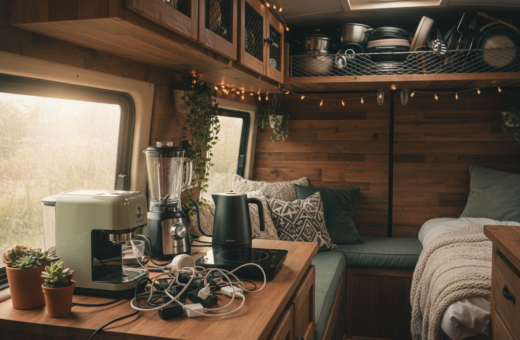
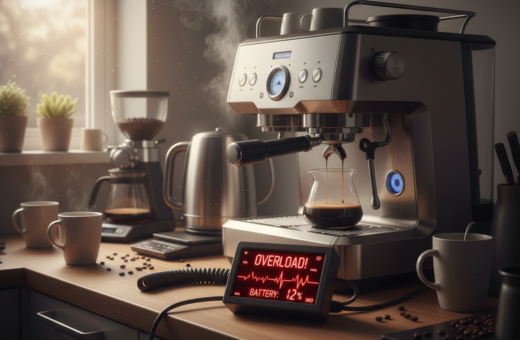
Choosing the right coffee maker matters when power is limited. He or she who plans to brew while camping must weigh energy use, water volume, and brew time.
Many coffee makers on the market waste energy during the morning brew. A typical 12V DC drip coffee maker often needs about 300 watts to brew and keep a cup warm, which can strain a small solar panel and battery bank.
This short guide explains how to pick a machine that balances energy and performance. It also outlines manual tips to cut heating time and water use so the brewing experience improves without draining the system.
Readers who want deeper technical context can review a practical wattage breakdown and RV guidance at real-world wattage examples.
Understanding Solar Powered Coffee Brewing
Off-grid brewing depends on matching a machine’s demand to what your solar array and battery can deliver. This section explains how panels turn sunlight into usable electricity and why the appliance’s draw matters.
Photovoltaic Technology
Photovoltaic cells convert sunlight into electricity. Modern panels often run at 15–22% efficiency, which affects how much charge reaches storage.
A well-sized panel and charge controller keep energy stable and safe for daily brewing.
Energy Consumption Profiles
Knowing an appliance’s draw helps size the battery bank and the panel array. The heating element must match storage so the system does not trip or drain unexpectedly.
“Sizing panels and batteries to the appliance prevents surprises at brew time.”
- Include a charge controller and battery bank to manage flow and storage.
- Choose makers and methods with lower pressure to reduce energy demand.
- Analyze daily brewing habits to size panels and batteries properly.
Selecting the Right Low Watt Coffee Maker for Solar Systems
Choosing a compact brewer that matches your camping pack and energy budget makes mornings smoother.
Size and capacity matter. Pick a unit that fits gear and holds enough water to brew the number of cups needed each day. A small tank cuts heating time and saves stored energy.
Features that pay off: a reusable filter, stable temperature control, and an efficient heating element reduce waste during the process. Price often reflects build quality and how well the heating component conserves power.
- Check ground coffee capacity to match daily use while camping.
- Favor drip coffee designs that brew with minimal watts and steady temperature.
- Compare brew time and the number of minutes needed to reach target temperature.
“A well-chosen unit delivers consistent taste without overwhelming a small panel and battery.”
Practical tip: test a candidate at home with your panel and battery to confirm energy use and cup quality before a trip.
Essential Components for Your Solar Setup
A reliable off-grid brew starts with the right balance of storage and control in the power chain.
Battery storage and a quality controller form the backbone of any portable system. A high-capacity battery stores electricity from the solar panel so the coffee maker has steady power when mornings arrive.
Battery Storage and Charge Controllers
Deep-cycle battery banks offer steady delivery and longer life. They handle repeated charge and discharge cycles during camping trips.
The charge controller protects batteries from overcharge and regulates the flow of energy. This prevents damage and keeps the inverter and wiring safe.
- Handle spikes: Heating draws short bursts of power, so the system must tolerate brief high-current demand without tripping.
- Wiring matters: Proper gauge and secure terminals reduce loss between panel, battery, and appliance.
- Plan capacity: Match battery storage to daily brewing habits to avoid draining the bank.
“Integrate robust storage and a reliable charge controller to keep your makers brewing reliably in the field.”
Optimizing Energy Efficiency Through Insulation
A well-sealed unit holds temperature longer, cutting repeated heater cycles and energy draw. Insulation and thermal mass work together to keep brewed water hot so the heating element runs less. This saves stored energy and shortens active heating time.
Thermal Mass Benefits
Adding dense materials like mortar or ceramic near the brew chamber stores heat. That stored heat releases slowly, so the maker needs fewer on-cycles during brewing.
Insulation Materials
Cork, closed-cell foam, and quilted cozies reduce heat loss. A simple insulating sleeve keeps temperature stable and cuts minutes off warm-up time.
Heat Retention Techniques
Wrap the unit, preheat the carafe, and limit exposed surface area to maintain pressure and a steady temperature. Regular cleaning of the heating element also keeps efficiency high and prevents extra energy waste.
Tip: Combine thermal mass with a snug cover to improve cup consistency at home and while camping.
Installation and Wiring Best Practices
Correct placement and secure mounting of the panel set the stage for reliable morning brewing in the field.
Mount the solar panel where it gets full sun and avoid shade from trees or gear. Angle the panel to match latitude for steady output during the brewing window.
Use quality cables, connectors, and ring terminals to limit voltage drop. Thicker gauge wiring and short runs protect the battery and the coffee maker from needless loss.
Confirm the battery is wired correctly to the charge controller and panel. A correctly connected battery keeps electricity steady when the brewer draws current.
- Install a fuse or circuit breaker near the battery to protect the heating element from surges.
- Secure all terminals and use dielectric grease to prevent corrosion.
- Label connections so the process is repeatable and safe on trips.
Regular inspections keep makers and system components reliable. Check straps, mounts, and wiring before every camping trip to avoid surprises at brew time.
“A tight installation and clean wiring save energy and extend the life of the equipment.”
Maintenance and Troubleshooting for Longevity
Simple upkeep preserves performance and taste. A short maintenance routine prevents most problems that interrupt morning brewing.
Cleaning and Descaling Procedures
Regular cleaning and descaling keep the unit running and the water taste clear. Use a mild vinegar solution or a manufacturer-approved descaler on a monthly cycle.
Because the DIY unit weighs 10 kg, the user should empty and secure the base before moving it. Two people can make this step safer and faster.
- Rinse removable parts after each use to avoid buildup.
- Descale every 4–8 weeks depending on mineral content.
- Follow the manual to protect seals and electronics.
If the coffee maker is not heating, check the battery voltage first. Low voltage often causes weak heating or long brew time.
Monitor temperature during the cycle. Consistent readings point to a healthy heating element; wide swings indicate service may be needed.
“A strict maintenance schedule extends life and preserves brew quality.”
Periodic service of the heating assembly and routine inspections of wiring keep the system reliable. Proper care delivers a better brewing experience and reduces unexpected repairs.
Exploring DIY Solar Coffee Maker Projects
A hands-on project can turn a classic moka pot into a portable brew system powered by a small panel and a battery bank. The moka design, invented in 1933, uses pressure to extract flavor and fits well with a simple electric setup.
Typical build notes: a 100W panel supplies the array, while storage holds charge to run the heating element. The first cup takes about one and a quarter hours, but once the mortar and chamber are warm, subsequent brews finish in 20–25 minutes.
The project manual guides assembly of the element, insulation, and insulation mortar so the process is safe and repeatable.
- Use a compact panel and matched batteries to smooth power delivery.
- Insulate the brew chamber to cut heating cycles and save stored energy.
- Customize size and features to match camping needs and taste.
“Building this system gives a deeper sense of how panel, charge, and brewing come together.”
Conclusion
Smart choices make off-grid mornings simple and reliable. By selecting the right coffee makers and matching them to a well-sized panel and battery, users gain consistent brews with less strain on stored energy.
Maintenance and insulation matter. Regular descaling, tight seals, and proper wiring reduce waste and lengthen equipment life. These small steps yield big gains in efficiency.
Whether buying a commercial unit or building a DIY system, readers can refine their setup with practical tests and reference data like the coffee makers wattage guide. The future of brewing with renewable power is bright, and the right approach delivers great taste each day.