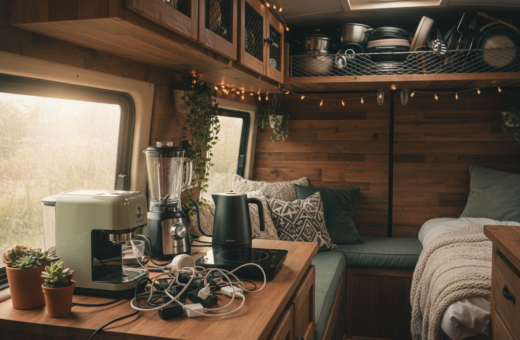
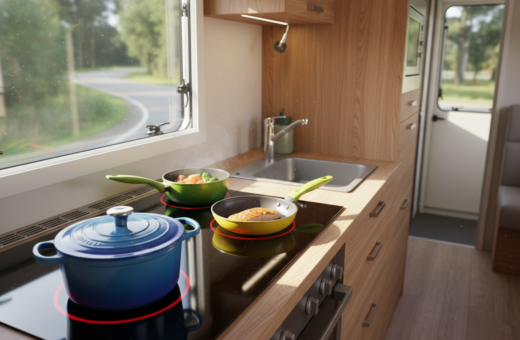
Choosing the right 12V refrigerator is a key step when someone builds a mobile coffee corner. In 2024, many builders move away from 120V options to protect the electrical system and keep power use low.
They pick efficient 12v models like the Dometic NRX, Dometic CFX3, or Dometic CRX to store milk and cream without draining the battery. Upright refrigerators and chest options each have clear space and access trade-offs that affect day-to-day use.
Good planning makes sure temperature control and cooling parts work reliably across long trips. With the right compressor and a matching electrical system, the unit keeps food fresh and energy consumption predictable.
In short: selecting a 12v fridge that balances size, cost, and energy efficiency helps people enjoy hot coffee any time while maintaining reliable van life power.
Why Your Camper Van Needs a Dedicated Fridge
A purpose-built 12V refrigerator reduces the heavy power demands that come with running an inverter all day. It draws directly from the battery bank and keeps power consumption steady, so the system stays reliable during long trips.
Unlike dorm-style units, these refrigerators are engineered to endure constant movement and vibration. That means compressors and mounts are designed to last under road stress, lowering maintenance and unexpected failures.
Most van lifers report better energy efficiency with dedicated units, which extends time off-grid. A high-quality compressor improves cooling and prevents food spoilage, cutting overall cost of ownership.
In short: investing in the right refrigeration options protects the battery, reduces power consumption, and delivers dependable cooling day after day.
Understanding the Small Fridge for Camper Van Kitchen Options
Layout and access drive the decision between front-opening and top-loading refrigerators. Front-access models mimic home units and make daily organization fast. They suit builders who want shelves, door bins, and easy reach during a busy day.
Upright Front-Loading Models
Upright units offer clear shelving and a usable door compartment. Many modern 12v refrigerators include a removable freezer compartment to switch between fridge and freezer as needs change.
Consider: compressor placement — a side- or bottom-mounted compressor can reduce interior space and affect custom cabinetry layout.
Top-Loading Chest Units
Chest-style refrigerators lose less cold air when opened and often deliver better insulation and energy efficiency. That translates to lower power consumption and longer run times on the battery.
Pro tip: models like the Dometic NRX and Dometic CFX3 provide reliable cooling with efficient 12v compressors and are frequently recommended for van life setups.
- Option: removable freezer compartment for flexibility
- Space: measure compressor parts and door clearance before install
- Cost: balance insulation benefits against cabinetry impact
Comparing Upright and Chest Style Refrigerators
Which style to pick — door-access upright or top-loading chest — depends on space and energy priorities.
Upright refrigerators install neatly under a galley beam. They give easy reach to food and a usable freezer compartment, but that freezer can cut into total fridge capacity.
Chest designs sit on heavy-duty slides and can double as a bench when closed. Because cold air sinks, chest models keep cool air inside better during frequent openings. That improves overall efficiency and reduces 12v power consumption.
“Choose a 12v compressor that matches whether convenience or low consumption matters most.”
- Upright: convenient door access; useful shelves; possible freezer trade-offs.
- Chest: higher insulation; lower energy draw; needs top clearance.
- Consider Dometic NRX or similar 12v models when balancing cost and cooling performance.
Calculating the Ideal Capacity for Your Lifestyle
Estimate daily storage needs by multiplying a per-person volume by the number of days between grocery trips and the number of occupants. A recent survey of 50 van lifers found that 10–13 liters per person per day fits most travel styles.
Formula for Daily Volume Requirements
Simple formula: 13 liters × days × people = total liters needed. This gives a safe, slightly generous target that covers chilled items and a small freezer compartment.
Chest-style models often store food more compactly. That means a chest option may meet needs with less total volume than an upright unit.
- Tip: size to avoid long compressor cycles—short, steady runs keep temperature stable and cut battery drain.
- Consider oversizing slightly to add space for dry goods and occasional extras.
- Match capacity to 12v compressor ratings to reduce power consumption and wear.
“Right-sizing a refrigerator helps maintain steady cooling while protecting battery life.”
Power Consumption and Energy Efficiency Standards
Ambient heat and compressor design combine to shape real-world power demands. This section explains how compressor efficiency, battery load, and temperature affect daily operation.
Compressor Efficiency
High-quality compressors reduce runtime by delivering steady cooling with fewer cycles. A reliable 12v compressor uses better coils and controls to cut energy waste.
Models like the Dometic NRX add insulation and quiet modes to keep efficiency when temperatures rise.
Battery Bank Impact
The refrigerator is often the largest continuous draw on the electrical system during the day. Monitoring that draw helps owners size a battery bank and charging plan.
- Tip: match compressor ratings to battery capacity to avoid deep discharge.
- Track consumption over time to predict recharge windows and reduce surprise drains.
- Regular checks of cooling parts and vents keep the system running with lower energy use.
Ambient Temperature Factors
Temperatures between 77°F and 90°F significantly increase compressor load. Hot conditions raise both power consumption and wear.
“Higher ambient temperatures force compressors to run longer, increasing energy draw and reducing uptime.”
Good maintenance and choosing energy efficient refrigerators and compressors extend battery life and improve overall cooling performance.
Top Upright Marine Style Refrigerators
Built to resist salt air and humidity, marine upright refrigerators bring durability and predictable cooling to mobile builds. These models use corrosion-resistant materials that hold up well on coastal trips and humid routes.
Notable options include the Isotherm Cruise 130, a trusted choice at around $1,999 that many select for long-term reliability. Dometic shifted its lineup in 2024, phasing out the CRX line and promoting the Dometic NRX series with improved insulation and energy efficiency.
Performance matters: most upright marine units include a dedicated freezer compartment, which offers flexible storage for frozen goods and ice without sacrificing main compartment space.
These refrigerators commonly use a SECOP 12V compressor to deliver quiet, steady cooling. That compressor choice reduces noise and helps maintain stable temperature control with lower energy consumption.
- Durability: corrosion-resistant casing and hardware.
- Cooling: SECOP 12v compressor for consistent temperature.
- Options: dedicated freezer, multiple sizes to match layout and energy budgets.
Best Chest Style Electric Coolers for Van Life
Portable chest coolers combine efficient cooling with the ability to move to a backup power source when needed. They are top-loading, which helps keep cold air inside and lowers runtime.
Budget and midrange options like Alpicool deliver compressor-driven cooling at a low cost. Many Alpicool models sell for under $325, making them a practical choice for a tight build budget.
Dual Zone Functionality
Dual-zone units such as the Dometic CFX3 let users run one compartment as a freezer and the other as a fridge freezer. That flexibility supports meal prep for multiple people on longer trips.
- Energy efficiency: top-loading design reduces energy consumption and keeps temperature swings small.
- Portability: chest-style fridges are easy to move to a portable power station or the main battery when needed.
- Compressor performance: a reliable 12v compressor keeps cooling stable and lowers long-term power draw.
“Choosing a dual-zone chest gives the best mix of frozen storage and chilled space for group travel.”
Bottom line: chest electric coolers offer efficient cooling, flexible freezer options, and affordable models that suit a van or campervan setup while limiting overall power consumption.
Essential Features for Your Coffee Station Integration
Placing a dedicated fridge beside the coffee station speeds morning prep and keeps ingredients within arm’s reach. This arrangement reduces steps and helps maintain a tidy counter space in a van layout.
Stable temperature control is critical. Consistent cooling preserves milk and cream and reduces spoilage risk. Choose a refrigerator with precise settings and good insulation.
Quiet operation matters. A low-noise compressor keeps the brewing area peaceful during early hours. Look for 12v compressor specs that list decibel ratings and steady runtime.
Freezer capability adds value. A compact unit with a small freezer stores ice for iced coffee and frozen concentrates. Review different models to find the right mix of storage and power draw.
- Placement: mounting the unit under the coffee counter saves floor space and keeps essentials accessible.
- Power: prefer proven 12v setups that match battery capacity and charging strategy.
- Noise: pick a unit with a quiet compressor to protect the morning routine.
Practical note: builders often consult a compact living guide when choosing placement and models to ensure smooth integration.
Installation Tips for a Seamless Kitchen Build
A tight fit with room to breathe around the compressor pays off in longer life and lower power draw.
When installing a 12v refrigerator, leave clearance around the compressor to prevent overheating. Adequate ventilation improves cooling and reduces overall consumption.
Secure the unit to the camper van floor or cabinetry with heavy-duty mounts. Strong attachment points stop movement on rough roads and protect compressor parts from damage.
If using a Dometic NRX model, confirm the door swing clears counters and walkways. Poor door placement limits access and can damage surrounding trim.
Electrical system matters: run appropriately sized wiring to reduce voltage drop. Consistent power keeps temperature stable and the compressor running efficiently.
“Proper mounting and correct wiring are the two best investments to prevent downtime.”
- Plan space and size before final cabinetry to avoid clashes with top or door clearance.
- Use durable parts and accessible fasteners so service is simple in the field.
- Finish gaps with custom trim for a built-in look that keeps airflow where it belongs.
Maintaining Your Cooling System for Longevity
Consistent care of coils, seals, and electrical connections preserves cooling performance and lowers energy consumption. This keeps the refrigerator running well during long trips and protects food stored inside.
Clean condenser coils regularly. Dust and debris force the compressor to work harder, which raises power consumption and reduces efficiency.
Defrost the freezer compartment when ice builds up. Thick frost cuts airflow and makes compressors run longer, shortening their life span.
- Check door seals to make sure they are airtight and free of cracks.
- Monitor battery voltage if the refrigerator struggles to maintain temperature.
- Follow service intervals in the manual for models like Dometic NRX or Dometic CFX3 and inspect compressor parts.
“Routine maintenance is the best way to keep refrigerators efficient and avoid costly repairs.”
Simple routine checks each day or week extend system life, reduce power draw, and help people enjoy reliable cooling on the road—whether using a chest option or upright model in a campervan or van life build.
Conclusion
Choosing the right 12V unit sets the tone for reliable cooling and steady energy draw. A focused choice keeps temperature stable and supports efficient cooling during long days on the road.
Owners should weigh storage needs and layout when comparing fridges and refrigerators. Review different models and freezer options to match routines and space.
Prioritize efficiency and realistic power targets to protect the battery bank. Regular maintenance of seals and the compressor preserves performance and lowers energy use.
Whether leaning toward chest or upright styles, a well-selected unit enhances daily prep in a van build. Thoughtful planning and a few routine checks deliver years of dependable refrigeration.
Make a strong, practical choice and the refrigerator will reward the trip with consistent cooling and fewer surprises.