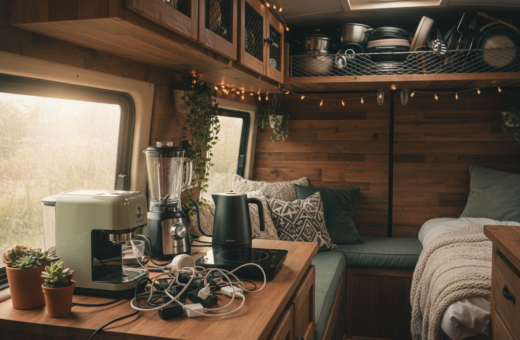
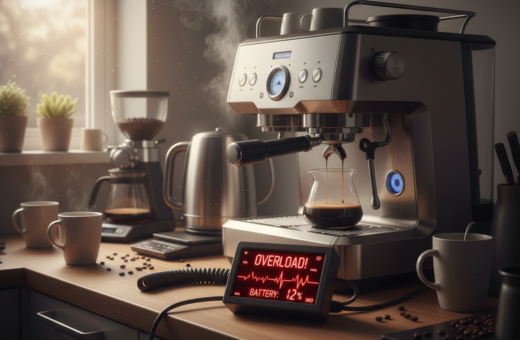
The outdoors no longer means cold mornings and instant packets. Campers who value a fresh brew can bring reliable power to remote sites. This guide helps readers select units that keep their gear running without noisy generators.
They will learn which models deliver steady output, how weight and capacity affect mobility, and what features matter most when camping or tailgating.
Practical tips cover battery life, outlets, and charging options to match your routine. With the right setup, a hot cup becomes part of any trip, even off grid.
Choosing quality equipment ensures consistency and convenience wherever they roam. The comparison ahead aims to make selection simple and confident.
Understanding Portable Power Stations
A compact energy hub turns stored battery cells into the familiar outlets found in homes. This intro explains how these units supply steady output and why capacity and ports matter when choosing a product.
How Inverters Work
The inverter inside a unit converts DC from the battery into AC that most devices need. This conversion is what lets a small unit run a range of appliances without noise or exhaust.
Battery Basics
Most units use rechargeable lithium-ion batteries that offer higher energy density and lighter size than older chemistries. Capacity is measured in watt-hours and determines run time for any given load.
- Quiet, exhaust-free solution: A bundle of batteries replaces noisy generators.
- Check output wattage: Match the station’s rated output to the appliance draw.
- Ports and convenience: Many include multiple AC outlets and a 12v car outlet for versatile use.
- Charge time and price: Charging minutes to full vary by product, and price often reflects battery quality and size.
Why You Need a Portable Power Station for Coffee Maker
Choosing the right unit keeps a morning routine intact whether at a campsite or during an unexpected power outage.
A portable power station lets users brew hot coffee without grid electricity. It supports small espresso machines and drip units when matched to the appliance wattage.
Solar panels can recharge many models, cutting electricity bills and reducing reliance on gas generators. Adding panels makes the setup sustainable for day-long camping use.
- A reliable unit gives hot drinks during a home power outage or while camping.
- Recharging with solar panels lowers operating cost and emissions.
- These devices are quieter and cleaner than gas generators, and often include multiple AC outlets and a 12v car outlet.
“A compact, well-sized unit is a practical option for anyone who wants coffee anywhere,”
Selecting the right product means checking output, capacity, and ports. That ensures the station can handle the appliance draw and desired charging time.
Assessing Your Coffee Maker Wattage Requirements
Knowing your brewer’s watt draw is the first step to a reliable off-grid setup. Gather the appliance label or manual before you shop. That number guides the choice of an appropriate unit and inverter output.
Drip vs Espresso Machines
Drip machines usually need between 500 and 1000 watts to brew. Single-serve pod units often sit higher, near 900–1500 watts.
- Check the label: Manufacturer specs or the tag on the cord show volts and amps; multiply them to get watts.
- Match output: Choose a station with an output rating above the running watts to avoid trips or dimming lights.
- Plan total load: Add other devices like kettles or toasters when calculating the overall draw for the day.
- High-demand brewers: Espresso machines can peak near 1500 watts and require a high-capacity option and sustained output.
Tip: When the label is missing, multiply volts × amps. Aim for at least a 1500-watt inverter to cover most machines and brief surges during startup.
Calculating Necessary Battery Capacity
Estimating how long a unit will run a brewer starts with the battery’s watt-hour rating. Use this formula: Battery Capacity (Wh) × 0.85 ÷ Operating Wattage (W). The 0.85 factor accounts for inverter losses and practical use.
A station with at least 200Wh is the bare minimum to run a standard drip brewer for short periods. For real trips, most users choose a larger unit to avoid mid-morning interruptions.
- Example: A 500-watt brewer on a 518Wh power station runs about 518 × 0.85 ÷ 500 ≈ 0.88 hours — roughly 53 minutes.
- Plan for surge watts at startup and confirm the rated output of the product before purchase.
- Choosing a larger battery capacity gives flexibility to run other devices during the day.
- Solar panels can extend runtime by topping off the charge while camping, especially on sunny afternoons.
Tip: Match capacity to actual brewing habits and trip length. Verify the unit’s continuous output and surge handling so the brew completes without shutdowns.
Evaluating Inverter Output for Brewing
Inverter output sets the pace at which a brewer reaches temperature and finishes a cycle. He or she should compare the rated output and the surge peak when choosing a suitable unit.
Rated output determines continuous watts available during operation. A brewer drawing 500 watts needs a station with a rated output that comfortably exceeds that number to avoid trips.
Surge peak matters most at startup. Many devices need a brief spike to energize heating elements. Modern designs list both continuous and peak watts on the spec sheet.
Efficiency of the inverter affects usable capacity. A less efficient inverter reduces actual run time and increases charge time between uses.
- Choose a unit with a higher rated output to shorten brew time and ensure reliability.
- Confirm surge handling if using espresso-style machines with high startup draws.
- Advanced inverters offer clean sine wave output, which protects sensitive devices and improves consistency.
“Match inverter output and surge to the brewer’s needs to ensure each cup finishes without interruption.”
Benefits of Off-Grid Coffee Brewing
Good coffee in the wild shifts a routine into a small luxury that feels like home. It helps campers start the day with warmth and comfort.
Using a reliable portable power setup replaces noisy, fuel-hungry generators and keeps mornings peaceful. It also lets users run higher-wattage appliances with confidence.
Brewing at camp saves money over buying drinks on the road. Over a few trips, the savings can offset gear costs and add real value to each outing.
- Enjoy premium drinks outside without hauling a kitchen.
- Reduce noise and fumes by avoiding gas generators during mornings.
- Pairing with solar makes the routine greener and more sustainable.
“A reliable setup brings independence and makes any campsite feel more like home.”
Comparing Battery Chemistries for Longevity
Not all batteries age the same; chemistry drives lifespan and sustained output over years. Buyers should weigh cycle life, safety, and usable capacity when choosing a unit.
LiFePO4 Advantages
LiFePO4 cells offer exceptional longevity and thermal stability. Some models, such as the Bluetti Elite 200 V2, can complete about 6,000 cycles before falling below 80% capacity. That longevity translates into reliable service for daily routines and long trips.
Safety is another benefit: LiFePO4 resists thermal runaway and keeps performance steady as capacity ages.
Lithium-Ion Characteristics
Lithium-ion cells remain common in many power stations. They provide a strong balance of weight and energy density. This makes units easier to carry while still delivering useful capacity and steady output.
However, lithium-ion typically reaches fewer cycles than LiFePO4, so long-term degradation is faster. Buyers should match chemistry to expected use and budget.
- Cycle life: LiFePO4 >> lithium-ion.
- Safety: LiFePO4 has superior thermal tolerance.
- Energy density: Lithium-ion usually wins on weight and compact capacity.
- Practical tip: Consider how often the unit will be charged when choosing cells.
“A station’s battery chemistry is the single biggest factor in its lifespan and long-term value.”
Integrating Solar Panels for Sustainable Power
Adding panels to a campsite kit turns daylight into usable energy for everyday gear. This lets users keep devices charged while avoiding noisy generators and extra fuel.
Solar charging efficiency hinges on panel quality and direct sunlight. Proper tilt and unobstructed exposure can make a big difference when camping or using them at home.
Tip: Some units accept very high input to speed recharges. For example, models like the Bluetti Apex 300 can take up to 2,400 watts of solar input, dramatically shortening afternoon charge time.
- Integrating solar panels provides a renewable way to keep a portable power unit topped up during trips.
- Many modern systems work seamlessly with portable solar arrays to run high-watt appliances without grid access.
- Correct panel placement and angle maximize energy capture and help sustain longer runtimes.
For guidance on matching panels and gear, consult resources on solar-ready setups. Investing in a quality portable solar array keeps the campsite efficient and reliable.
Essential Features to Look for in a Power Station
Choosing the right feature set makes the difference between a reliable outdoor setup and a frustrating morning. Buyers should prioritize capacity and clean output to match high-watt appliances.
Look for clear displays that show remaining battery and estimated runtime. A real-time readout helps plan brewing and other tasks during the day.
- Multiple AC outlets and high-speed USB ports to run several devices at once.
- App connectivity (Bluetooth or Wi‑Fi) to monitor capacity and toggle outputs remotely.
- Flexible charging: accept solar panels, wall AC, and a 12V car outlet for versatile charging options.
- Design features that aid portability, like folding handles or wheels.
The EcoFlow River 3 Plus uses GaN semiconductors to deliver strong output in a smaller size. Safety matters too: look for surge protection and temperature monitoring when running high-watt appliances.
“Choose a unit with the right mix of capacity, ports, and safety features to ensure each day starts smoothly.”
Safety Considerations for High-Wattage Appliances
Running heavy kitchen gear off-grid requires attention to safety and load limits. He or she should confirm that the total wattage never exceeds the unit’s maximum rated output to prevent damage.
Place any unit in a well-ventilated spot during brewing. Good airflow reduces heat buildup and helps avoid overheating when appliances draw many watts.
When using solar panels, secure all connections and protect cables from moisture. A single loose plug can cause shorts or interrupt charging from a solar panel array.
- Do not modify outlets or internal wiring; that risks electrical shorts and inverter failure.
- Keep stations away from water and severe weather, even if a model claims some resistance.
- Inspect cords regularly for wear before each use.
Modern units from Jackery and EcoFlow include safety protocols that shut systems down if a fault is detected. These protections help when using high-draw gear instead of noisy generators.
Optimizing Your Setup for Camping Trips
Planning how devices are used and recharged at camp saves weight and avoids mid-trip surprises.
Choose a unit that balances capacity and carry weight. A Jackery Solar Generator 500 is a standout option because it pairs respectable battery capacity with a light 13.32 lb design. That makes transporting a power station between trailheads and campsites much easier.
Organize gear into a water-resistant carrying bag to protect the station from dust and rough handling. A dedicated bag also speeds setup and keeps cables tidy.
- Use solar panels to top off the station during daylight and secure panels for optimal sun exposure.
- Plan which devices are essential so the battery and output are reserved for morning routines and other priorities.
- Pick a product with multiple outputs; that lets phones charge while the brewer runs without conflict.
- Test the full setup at home before the trip to confirm run times and charging behavior.
“A compact, well-organized kit reduces risk and helps each morning start smoothly.”
Managing Power During Home Outages
Having emergency energy on hand helps maintain food safety, communications, and a hot morning drink.
A portable power station can keep a refrigerator and a coffee setup running for hours during a typical power outage. High-capacity units give extra runtime and handle larger loads without frequent shutdowns.
During an extended outage, they should prioritize critical circuits: fridge, lights, and communications. The EcoFlow Delta Pro 3 is one example that can support whole-home backup and run multiple appliances at once.
Smart habits stretch available capacity. Monitor remaining runtime on the display, reduce nonessential loads, and stagger appliance use to avoid peak surges.
- Keep the unit fully charged and ready before storms or planned outages.
- Pair with solar to maintain charge during long outages and extend usable time.
- Use the display to track output and adjust usage to conserve battery life.
“A dedicated backup unit provides peace of mind and helps daily routines continue during an outage.”
Troubleshooting Common Power Issues
Troubleshooting begins with the basics: charge level, connections, and the inverter switch.
If an appliance fails to start, first confirm the power station is fully charged and the inverter is on. A low battery or disabled inverter is the most common cause of no output.
Next, check total wattage. If combined loads exceed the unit’s rated output, the station may shut down automatically to protect itself.
- Secure all cables between the station and the devices; loose plugs can cause intermittent power.
- Inspect solar panels or the wall adapter if the unit will not begin charging; damaged cables stop charge flow.
- Use the maker’s app or menu to check for firmware updates that fix output stability and battery management issues.
If the display shows an error, consult the user manual for that model’s codes. When a unit stays unresponsive, a simple reset — turn it off, wait a few minutes, then turn it on — often clears minor software glitches.
Best Practices for Battery Maintenance
A few routine steps will help batteries last through many camping seasons and home outages.
Store correctly. Keep any power station in a cool, dry spot away from direct sunlight. High heat shortens battery life and reduces capacity over time.
Avoid extremes. Do not leave the unit fully charged for weeks without use. Long periods at 100% accelerate aging.
Cycle the battery every few months by discharging and then charging it. This simple practice preserves cell health and helps maintain rated capacity.
- Prevent deep discharge: do not let capacity fall to zero percent.
- Keep the exterior clean so cooling fans and vents work properly.
- If used as a home backup, store the unit where it can be accessed and checked regularly.
Follow the maker’s guidelines for charging and storage. Proper care keeps portable power stations reliable and extends useful life so they are ready when needed.
“Regular maintenance protects battery health and ensures dependable operation when it matters most.”
Selecting the Right Brand for Your Needs
Which manufacturer you choose affects output reliability, customer service, and long-term value. Buyers should weigh reputation and after-sale support as heavily as specs.
BougeRV offers the Fort 1500 with a 1456Wh battery and 2200W output, a strong solution when a brewer demands high startup and sustained watts. That model suits heavy-duty use on trips and at home.
Jackery is known for a wide range of solar generators that work well for camping, RVing, and backup at home. Their product line often emphasizes ease of use and accessory availability.
- Compare price and features to match output and battery needs without overpaying.
- Look for modular expansion so battery capacity can grow with demands.
- Check accessory support such as dedicated solar panels and carrying options.
Research reviews and real-world feedback to confirm how a product performs during charging cycles and continuous use. A reliable brand reduces surprises and makes every trip smoother.
“Choose a maker with durable products and responsive service to protect your investment.”
Conclusion
Selecting the right backup gear ensures everyday routines continue no matter where they are. It lets users enjoy familiar comforts at home or during trips without guessing if a unit can handle the load. Match wattage and capacity to the appliance draw to avoid interruptions.
Modern systems power a range of devices while keeping charging simple and safe. Plan which devices matter most, test the setup at home, and prioritize quality components that include clear displays and safety features.
With good preparation and the correct equipment, they can keep the essentials running and preserve the comforts of home on any adventure. Check specs, monitor remaining charge, and choose a durable solution that fits long-term needs.