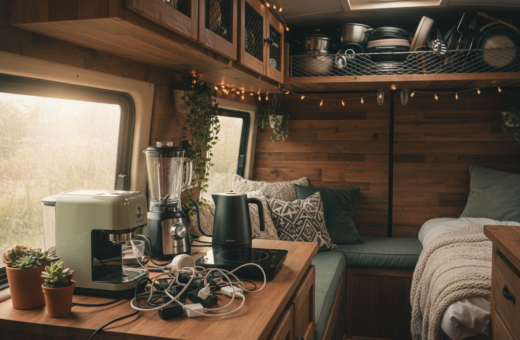
Every morning on the road, they weigh a simple ritual against limited resources. A warm cup coffee is part of the routine, but a camper van setup forces choices about how much energy to spend.
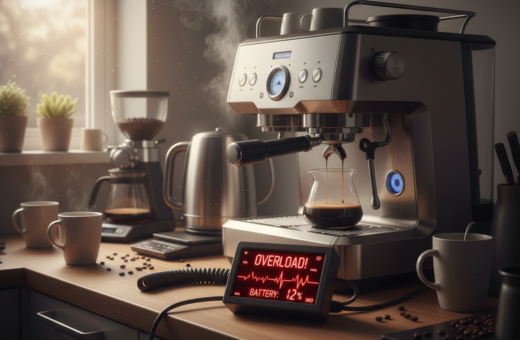
An average coffee maker can draw between 550 and 1500 watts. Understanding true consumption helps someone plan battery use and avoid surprises while camping or at a remote spot.
Many travelers switch to solar power generators to brew coffee without noise or fumes. By tracking hours of use and heating water efficiently, they protect their battery bank and keep their morning ritual steady on the road.
Understanding Coffee Maker Power Consumption Van Life
Different brewing systems ask for vastly different amounts of electricity when heating water. This reality matters for anyone who brews on the road. The choice of device affects battery draw, space, and daily energy budgeting.
Single-serve machines like Keurig and Nespresso typically require 900–1500 watts to heat quickly. That startup surge can strain a small battery bank in a camper.
Standard drip models generally sit in the 550–1200 watt range during brew cycles. A compact drip unit may use less space but still consumes significant current for multiple cups.
- The exact wattage varies by heating method and design.
- A high-watt device can use many amp-hours in a short morning routine.
- Choosing the best coffee makers for a road setup means balancing ease of use, size, and energy needs.
- Consider solar charging and run times when planning daily brew hours.
- Brewing fewer cups or using low-watt manual options cuts daily demand.
“Know the draw before you buy — it is the easiest way to protect your battery bank.”
Tip: Track actual device use for several mornings to estimate true daily demand and make the right choice.
The Physics of Brewing and Energy Draw
Heating water accounts for the bulk of an appliance’s energy draw during the brew cycle. The heating element must raise cold water to near boiling, which requires a steady, high-watt electrical supply.
The size of the internal boiler and the volume of water determine how long the element runs. A larger boiler means more watt-hours to reach extraction temperature.
Heating Elements
The initial heat-up is the costliest phase. For standard drip machines, the element is the largest draw, then the unit drops to a lower, steady rate to keep a cup warm.
Pressure Extraction
Espresso machines add a pump to pressurize water. That pump increases total electrical demand beyond simple heating, especially during short, intense extraction cycles.
- High draw: Active heating during brew.
- Lower steady: Warming mode often uses 200–400 watts.
- Efficiency tip: Reduce high-heat time and match water volume to cups to save energy.
“Minimize the time in high-heat mode to protect battery reserves.”
Evaluating Your Van Electrical System
Before fitting any high-draw appliance, confirm the battery bank can sustain the startup surge without voltage sag. A weak bank will drop voltage and may damage sensitive electronics.
Check inverter capacity next. Many modern coffee maker models need a pure sine wave inverter to run cleanly. An undersized inverter can trip or shorten appliance life.
Size your solar panels and batteries around daily needs. If the array and battery bank do not match usage, they will force limits on coffee maker use or require shore power.
- Battery capacity: Determines how many brews are possible before recharge.
- Inverter type: Pure sine wave units protect sensitive electronics and handle surge loads.
- Dedicated circuit: Many builders recommend one to isolate surges and protect the rest of the system.
“A robust solar power system is the backbone of any kitchen that relies on electric appliances.”
Plan coffee routines into the daily energy budget and test real run times. Limiting use on cloudy days preserves battery life and avoids unexpected outages.
Manual Brewing Methods for Off-Grid Living
Simple, non-electric brewing methods keep mornings calm and batteries full. These options free someone from relying on shore power while still delivering a great cup.
Pour Over Techniques
Pour-over uses a simple filter and cone to control extraction. It takes little space and yields a clean, bright cup in minutes.
French Press Benefits
The French press produces a rich, full-bodied brew that many prefer over automatic devices. It requires no electricity and is easy to clean on the road.
Percolator Durability
Percolators shine for group use and rugged conditions. They work on stovetops and open fires, making them ideal for camping and remote cooking.
- No electrical draw: Manual options save battery reserve.
- Compact design: Many products fit into limited space.
- Versatile choices: Aeropress, French press, and percolator cover most taste preferences and cup counts.
“Preparing morning brew manually can be slow, but it creates a calm start to the day.”
Electric Coffee Maker Considerations
Choosing an electric brewer requires balancing convenience with the limits of a small onboard electrical system. Devices that match the vehicle’s voltage avoid heavy inverters and save battery reserve.
12V options often fit mobile setups better. For example, the RoadPro 12V unit brews about 20 ounces in roughly 20 minutes. The Makita 12V cordless brews 5 ounces in 5 minutes and is praised for durability and cordless convenience.
Standard 120V drip coffee makers stay convenient at home but need a strong inverter and a large battery bank to run safely. Many electric espresso machines now offer 12V models, which give specialty drinks without requiring a massive inverter.
- Check wattage: Confirm actual draw before purchase to avoid surprises.
- Dedicated outlet: Use one if running a 120V appliance to handle the startup surge.
- Read the manual: Understand maintenance and limits for proper coffee makers use.
“An electric brewer gives consistent cup quality, but only if it matches the system’s capacity.”
For more on matching appliances to your setup, see the sample guide.
Managing Power with Solar Generators
A large-capacity solar generator can turn a high-draw kitchen appliance into a routine, reliable part of an off-grid morning. Using a dedicated unit removes stress from daily energy planning and makes brew coffee predictable.
The Jackery Solar Generator 3000 Pro packs a massive 3024Wh capacity. This level of storage can run demanding machines for several hours and handle multiple brew cycles without tapping the house battery.
Solar stations run silently and emit no fumes, so they are a cleaner choice for camping. They also keep a coffee maker running when roof panels see low sunlight.
- Choose a model with varied output ports to match different makers and electronics.
- Track battery hours so morning routines do not drain reserves unexpectedly.
- Look for built-in surge protection to safeguard expensive machines from spikes.
- Portability means someone can take the generator outside for a fresh cup coffee in nature.
“A properly sized solar generator keeps mornings simple and protects the main battery bank.”
Selecting the Right Solar Capacity
The foundation of any off-grid kitchen is a correctly sized battery bank and inverter. Start by estimating how many watt-hours a typical morning routine needs and add a safety margin for other appliances.
Battery Bank Sizing
Sizing the battery bank correctly is the single most important step. Use daily watt-hour totals to pick capacity, and plan for at least two days of reserve to handle cloudy weather.
Match usable amp-hours to your expected run hours for a 120V coffee maker or lower-voltage options. Choosing a larger bank reduces depth-of-discharge and extends battery life.
Inverter Requirements
A quality inverter must handle startup surges and steady draw. For a standard 120V coffee maker, a 2000W inverter is a common recommendation to cover the initial heating spike.
Always buy a pure sine wave unit sized above peak needs. This protects sensitive electronics and prevents nuisance trips during the first few seconds of heating.
- Size solar panels to replenish daily drain, especially when brewing multiple pots.
- Consider total draw from all coffee makers and other devices before finalizing system size.
- Prefer a manual French press to cut required battery and solar capacity if space is tight.
- Investing in a larger array keeps a 120V machine usable without sacrificing off-grid freedom.
“A properly matched battery and inverter make morning routines predictable and stress-free.”
For a detailed calculator and panel recommendations, see the solar sizing guide.
Tips for Reducing Daily Energy Waste
A few focused tweaks will lower daily draw and stretch solar reserves. Heat only the exact amount of water needed for a single cup to avoid wasted watt-hours. This simple habit reduces strain on the battery and cuts refill time.
Use a thermal carafe to keep drinks hot for hours. That removes the need to run appliances all day and keeps the morning routine simple.
- Time brewing for peak sun when solar panels produce most. Doing so uses direct solar energy and lowers battery draw.
- Regularly descale the coffee maker so the heating element runs efficiently and draws less current.
- Switch to manual camping methods to eliminate electrical demand entirely while still enjoying a great cup.
- Insulate the kitchen area to keep water warmer and reduce reheating needs each day.
“Mindful device use extends battery life and reduces reliance on solar power.”
Final tip: Track coffee maker use for a week. Small changes add up and keep mornings predictable on the road.
Essential Accessories for Camper Coffee
Good accessories turn a cramped kitchen into a capable brew station. A few compact tools save time, reduce waste, and improve cup quality.
Manual grinders are core. A high-quality hand mill produces a fresher grind and removes the need to run an electric mill from the battery bank. That saves energy and preserves battery reserves for other uses.
Small kit, big impact
A dedicated bottle brush keeps a French press and drip parts clean on the road. A portable water filter ensures clean water for every brew, regardless of source.
For espresso fans, a compact tamper and a quality basket make a big difference in extraction. Choose durable, non-glass items to avoid breakage on rough roads.
- Compact storage is essential to save limited space.
- Durable tools reduce replacements and waste.
- Right accessories elevate coffee maker use to near-professional results.
“Small, well-chosen gear transforms routine brewing into a reliable ritual.”
Comparing Brewing Times and Efficiency
Some machines deliver a cup in minutes while others trade speed for flavor and lower draw. Timing affects both convenience and daily energy use. A quick electric machine heats water fast but needs steady power and a robust inverter.
An average 120V drip coffee maker finishes faster than a French press. The manual method takes longer but uses no electrical draw and often wastes less water. Choosing between speed and efficiency matters for camping routines.
- Brewing multiple cups at once can be more efficient per cup than single servings.
- Heat-up time is the biggest driver of wasted watt-hours during a brew cycle.
- Solar panels easily support manual methods; high-watt machines may exceed steady solar output.
Tip: Compare total energy used per cup coffee, not just minutes to pour. Many campers prefer pour-over or a french press as the best balance of taste, time, and efficiency.
“Match brew time to system capacity to keep mornings predictable.”
Maintenance for Longevity on the Road
Routine maintenance keeps brewing gear reliable when roads get rough. Regular checks protect seals, heating parts, and electrical joints from vibration and dust. Small habits avoid large repairs and extend usable years.
For electric units, inspect wiring and terminals regularly. Ensure connections stay clean and free from corrosion. Check the inverter and test battery health so solar systems can support a full morning cycle.
- Daily: Rinse parts after each use to prevent mineral buildup.
- Weekly: Inspect filters and seals on manual devices for wear.
- Storage: Keep the unit in padded containers during travel to avoid knocks and dents.
- Service: Follow manufacturer descaling and cleaning schedules to protect heating elements.
“A well-maintained coffee maker will provide years of reliable service wherever they travel.”
Safety Protocols for Van Kitchens
Boiling water and live cords in a confined space require attention to placement and ventilation at all times. Keep hot appliances on a stable, heat-resistant surface to avoid spills and burns.
Never leave a brewing unit unattended. Small kitchens heat quickly and a single spill can create a hazardous situation. Route and secure all cords so they do not cross walkways or snag on drawers.
- Store a rated fire extinguisher within reach, especially when camping off-grid.
- When using stovetop percolators, watch the flame and keep flammable fabrics and curtains well away.
- Ensure good ventilation to clear steam and reduce moisture buildup inside the living area.
They should also test outlet connections and inverter links before each use to prevent shorts. Following these simple steps lets them enjoy their morning ritual with less risk.
“Simple checks and clear habits cut the chance of accidents and protect both gear and occupants.”
Conclusion
A simple checklist of capacity, space, and routine time turns an overwhelming choice into a practical one.
They should weigh the type of brew they want—espresso, pour-over, or a quick electric machine—against available space and solar capacity. Choosing the best coffee makers means matching size and design to daily use and travel pace.
Solar remains the most reliable way to keep a machine running while on the road. With a proper array and battery bank, daily brew time and cups become predictable and easy to manage.
Ultimately, the best coffee is the one that feels like home each morning. This article aims to help them pick the right product and enjoy a great cup every day of the adventure.