Deciding where to place a coffee maker starts with daily habits and kitchen space. Theyigh of morning routine, counter room, and desired drinks guides the choice. Breville or Nespresso users often weigh convenience against a curated brewing setup.
Quality of the cup depends on method, beans, water, and machine features. Modern makers offer milk frothing, temperature control, and easy cleaning. These options shape the home experience and the time needed each day.
Design and size matter. A small machine fits tight counters and a busy lifestyle. A dedicated area supports multiple machines and creates a tidy, long-term setup for lattes and specialty drinks.
Evaluating cleaning, use time, and convenience helps readers pick the best solution. The right choice balances quality, features, and aesthetic so every cup coffee matches personal taste and routine.
Defining the Modern Coffee Experience
The modern morning routine treats brewing as a craft. Today’s drinkers expect their cup to match barista standards and deliver steady results each day.
Quality now hinges on control and tech. By 2025, a top home machine must use advanced extraction to lift flavor and aroma to professional levels.
Whether someone prefers manual or automated systems, they seek a consistent process. That demand shapes design, from pumps and boilers to smart temperature control.
- Extraction precision that reproduces espresso shop notes.
- Repeatable programs and simple adjustments for every maker.
- Manufacturers merging pro standards into compact machines for daily use.
The result: home setups no longer copy cafés — they match them. This shift raises expectations and changes what people call a good cup.
Understanding the Portable vs Built In Coffee Station Debate
Choosing between a fixed brewing area and a moveable unit comes down to daily habits and the space available in the kitchen. Someone who values a clean counter and one-touch beverage prep often leans toward a built-in coffee machine. It saves counter space and gives a sleek, integrated look.
Defining Portability
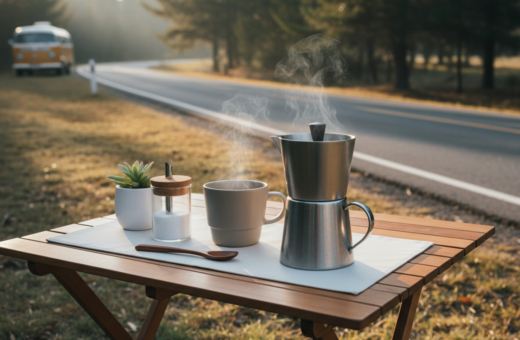
Moveable models let owners brew wherever they need—on a home bar, at a picnic, or in a small rental. These makers are flexible and require no cabinetry work. They also let users choose different models over time without remodeling.
The Built-in Standard
A built-in coffee maker often ties into cabinetry and plumbing. One-touch settings and advanced controls for grounds and water make consistent espresso and other beverages simple. For many, that ease and the saved counter space justify the installation.
- Consider kitchen layout, available time, and desired features.
- Quality of beans and the system’s extraction remain crucial for every cup.
- For model suggestions, see a roundup of top mobile options: best portable espresso machines.
The Appeal of Compact Brewing for Urban Living
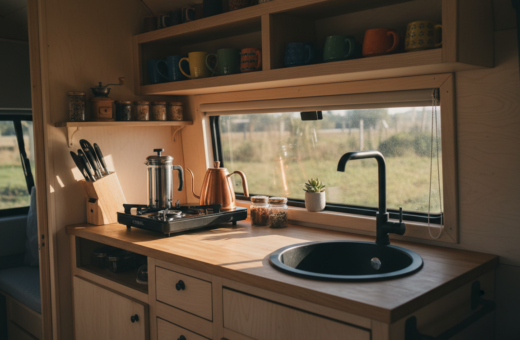
When kitchen real estate is tight, a compact espresso solution can change daily routines. City residents trade bulky appliances for smaller units that fit shelves and slim counters.
The Mino measures just 67mm x 195mm, showing how a modern maker can produce espresso while occupying almost no space. This small machine proves good design can combine performance and minimal footprint.
Urban living often favors a minimalist approach where devices tuck away when not used. A compact maker lets people enjoy high-quality coffee without reorganizing the kitchen.
- Space-saving design: stores easily in cabinets or on narrow ledges.
- Practical efficiency: makes a premium espresso experience for tight apartments.
- Flexible placement: frees counter space for other tasks and decor.
Why Homeowners Choose Integrated Coffee Systems
Homeowners invest in integrated systems to add a clear sense of luxury to their kitchen. These units offer one-touch programs that make specialty drinks fast and repeatable.
Luxury and convenience often go hand in hand with premium makers from brands like Miele and Wolf. The seamless faceplate and hidden plumbing create a neat aesthetic that complements high-end cabinetry.
Integrated machines simplify making lattes and cappuccinos by delivering consistent temperature and richly textured milk. That repeatability rivals what a small bar delivers for everyday cups.
The dedicated appliance keeps counters free. Families enjoy fresh drinks without clutter or extra equipment on display.
Practical perks
- Multiple user profiles save individual drink preferences.
- Advanced models include programmable shots and automated milk care.
- Installation raises resale appeal and ties the machine to the overall kitchen design.
Evaluating Space Requirements and Kitchen Design
A practical kitchen layout begins with honest measurements and a clear plan for where each appliance will live. Planning helps decide whether a built-in coffee maker or a smaller unit fits the room. Measure counter space and note clearance for lids, doors, and service access.
Countertop Efficiency
Place the machine near daily prep zones to reduce steps during morning routines. Allow room for refilling water and beans and for setting down cups.
Tip: Leave at least 3–4 inches behind the unit for hoses or power cords. That small margin improves usability and serviceability.
Cabinetry Integration
Installing a built-in coffee system often needs precise cabinetry and a dedicated water line to perform best. This makes the appliance a permanent part of the kitchen bar.
Designers recommend built-in coffee for a clean look and better long-term utility. Still, those with less space can choose compact models that tuck away when not used.
- Check footprint and access for routine maintenance.
- Match placement to daily workflow to keep cups consistent.
- Factor future upgrades when planning cabinetry runs.
Comparing Brewing Quality and Extraction Consistency
A reliable extraction is the backbone of any great espresso and reveals what a machine can truly deliver.
Achieving professional-quality shots requires steady pressure. WACACO uses a manual pumping mechanism to reach 9 bar and mimic bar-level extraction. IKAPE shows compact designs can match that performance with an electric pump that also hits 9 bar.
Temperature stability matters as much as pressure. A maker that holds constant temperature through the brew cycle produces clearer flavor, fuller body, and a better crema.
Whether someone uses a small unit or a larger coffee maker, the final cup coffee depends on extraction precision. Compare machines by how well they maintain pressure and water flow across a full shot.
- Consistent 9 bar pressure supports professional brewing quality.
- Stable water temperature preserves aroma and mouthfeel.
- Choose machines that sustain flow and pressure for every cup.
Maintenance and Cleaning Considerations
Routine upkeep keeps a machine running like new and preserves each cup’s flavor. A clear plan for cleaning and descaling reduces wear and keeps temperature and flow steady for every shot.
Automated Cleaning Cycles
Many modern built-in coffee makers include automated cycles that rinse milk lines and purge grounds. These programs save time and lower the risk of residue that harms flavor.
Manual Maintenance Needs
Some makers, including compact models, still need hands-on care. The IKAPE KAPO K2, for example, offers long battery life for up to 400 shots but requires manual cleaning of its parts.
Users should wipe the brew group, sanitize milk fittings, and empty drip trays after regular use. This simple habit preserves the machine and the taste of each cup.
Descaling Requirements
Consistent cleaning of the water reservoir and brewing unit prevents mineral buildup and helps the appliance hold correct temperature. Descale according to the manufacturer’s schedule to avoid flow issues and extend the system’s life.
“Follow the maintenance guide to protect your investment and keep performance steady.”
- Tip: Clean milk paths weekly if used daily.
- Tip: Descale every 2–3 months with hard water.
- Tip: Use filtered water to reduce scale and service needs.
Assessing Long Term Investment and Value
High-end appliances can shift a kitchen from functional to boutique, and that shift matters when weighing long-term value. A quality built-in coffee upgrade can increase appeal and match other premium finishes in the room.
Consider sticker price versus expected lifespan. The Miele CVA 7845 lists at $6,499. The Wolf EC3050CM is $4,575. Gaggenau GC461720 runs about $5,999, and the Smeg CMSU4303X is $3,799.
A high-end coffee maker or machine often delivers stronger resale impact than a smaller maker. Owners expect durability, service options, and fewer replacements over a decade.
Practical points:
- Upfront cost can elevate your kitchen and the home’s listing appeal.
- Professional-grade machines reduce downtime and repairs.
- Decide if the added value outweighs space trade-offs at the kitchen bar.
“Treat a premium built-in coffee as a long-term appliance investment.”
Lifestyle Factors for Frequent Travelers
For those on the move, having consistent access to a real espresso makes long journeys feel routine. Travel demands gear that is light, tough, and fast to use.
Frequent travelers and outdoor fans often bring a compact maker to keep their ritual alive. These devices are designed to be durable and easy to pack for camping or long drives.
Bringing a personal espresso unit ensures high-quality taste no matter the location. A familiar process—grind, tamp, and pull—delivers a reliable cup whether on a trail or in a hotel room.
- Lightweight and durable: built for rugged conditions and fast setup.
- Consistent results: owners control beans, water, and extraction for better flavor.
- Worth the investment: those who value their routine view the gear as essential for every trip.
In short:mobility extends enjoyment beyond the kitchen, letting travelers savor a great cup wherever they go.
Technical Innovations in Modern Coffee Appliances
Recent advances have turned home espresso systems into precision tools that mimic pro workflows.
New built-in coffee maker models offer tight control over grind size and water temperature. Advanced grinders treat beans gently to keep aroma and oils intact.
Smart features let users save custom settings for different cups. That ensures repeatable results whether someone pours a quick espresso or a longer drink.
The latest designs balance form and function. Manufacturers integrate sleek design with plumbing and sensors so a system fits the kitchen bar without wasting space.
- Precision controls: consistent pressure and temp for better extraction.
- Advanced grinding: maximum flavor retention from fresh beans.
- Saved profiles: one-touch settings for favourite cups.
“Technical innovations make professional-grade quality achievable at home.”
Customization and Drink Variety Options
C modern systems turn a single appliance into a flexible barista tool that adapts to personal taste. Users can tweak temperature, shot length, and milk texture to create a wide range of cups.
Milk Frothing Capabilities
Milk texturing matters for lattes and cappuccinos. Machines now offer adjustable steam pressure and timed froth cycles to produce fine microfoam or thick, velvety foam.
Regular cleaning of the frothing system keeps flavor pure and prevents bacteria or residue from harming foam quality. Simple rinses and weekly deep cleans preserve performance.
Advanced Drink Profiles
Saved profiles let someone recall custom settings for espresso shots or milk-heavy drinks with a single touch. That makes daily brewing fast and repeatable for every household member.
- One-touch recall: save grind, shot time, and milk level for favorite drinks.
- Wide options: from a short espresso to a creamy latte, the system adapts.
- Consistent results: saved profiles reduce guesswork and improve every cup.
“Customization lets the kitchen become a personal café, matching tastes and routines.”
Selecting the Right Setup for Your Daily Routine
Start by matching your morning pace to a setup that saves steps and keeps flavor steady.
Assess counter space and kitchen layout. A dedicated area works well when the bar is large and the design favors a permanent appliance. A compact unit fits small kitchens and can move to another room when needed.
Look for a machine with adjustable settings for grounds, temperature, and milk. Those features make it easy to dial in quality shots and consistent cups for lattes or espresso.
Consider time and cleaning. If convenience ranks highest, a built-in coffee maker with one-touch programs reduces prep and makes every beverage fast. If lifestyle demands mobility, a compact unit gives flexibility and quick setup.
“Choose the system that fits how you live, not the one that forces you to change your routine.”
- Match size and design to available space and daily use.
- Prioritize features that save time: one-touch settings, easy cleaning, and stable temperature control.
- If mobility matters, consider a small model or read about a portable espresso machine for office.
Conclusion
A well-chosen setup makes each morning easier and raises the odds of a great espresso every time. They should match their choice to daily habits and the size of the kitchen.
An installed unit, such as a built-in coffee maker, gives unmatched convenience and a clean look that lifts the kitchen bar. Modern appliances with smart settings and automated cleaning deliver café-grade beverages at home.
Other models offer flexibility and travel-friendly use for those who move often. By weighing space, time, and drink variety, anyone can pick the right way to enjoy the perfect cup and keep grounds fresh.