Buying the wrong gear can ruin mornings on the road. Many beginners stock generic kitchen items without checking battery limits or space. That leads to wasted cash and frustration.
Van life veterans know that a heavy, high-draw machine often needs shore power. Investing in a high-end home unit is a common error that exceeds a standard battery’s capacity.
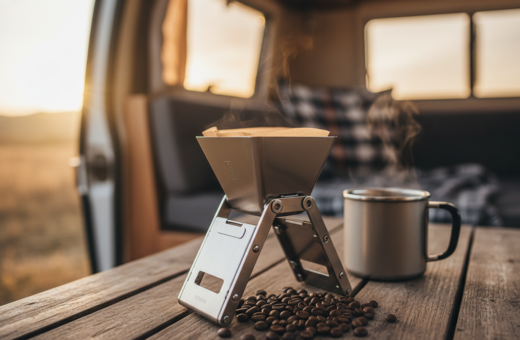
Durability matters. Constant vibration and temperature swings break fragile parts fast. The Aeropress coffee maker has been a go-to for over four years, proving that simple, manual systems survive life on the road.
Smart setups favor portability and manual brewing. Successful travelers balance quality with tight storage and limited electricity. This guide will help readers avoid costly mistakes and find reliable coffee solutions for van life.
The Reality of Brewing Espresso in a Camper Van
Road mornings demand gear that keeps working after miles of shake and sun. Making a good cup of coffee on the road means facing limits in power, space, and time. Traditional home machines often draw too much current and take up valuable counter area.
The Aeropress coffee maker costs about $25–$35 and blends French press richness with pour-over ease. It avoids 120V operation and is light to pack. By contrast, a Keurig K-Slim requires 110V and occupies roughly 4″ x 12″ x 15″ of footprint.
- Plan for 10–15 minutes: boil hot water, dose grounds, and brew.
- Skip glass carafes: they crack under travel stress; choose stainless steel parts.
- Check latest reviews on models and water tank size before buying.
Practical setups favor compact, durable coffee makers that save space and reduce failure on the road. For more ideas on brewing away from home, see best ways to brew while camping.
Overlooking Power Consumption and Inverter Limits
Power math often decides whether that favorite coffee maker will work while parked off-grid. Many shoppers pick a high-wattage machine without testing their energy system. That leads to drained battery banks and missed morning brews.
Battery Bank Requirements
Know the load before you buy. A standard espresso machine can spike to 1,500W at startup. Small battery arrays drain fast during a morning routine.
Always add daily energy use to your calculation. Count how many cups you brew, plus kettles or hot water needs. That total shows whether the battery bank will last a full day of van life.
Inverter Sizing
Match peak draw, not just running watts. Inverters must handle startup surges. A 2000W inverter is generally the minimum to run high-watt machines safely.
The Keurig K-Slim is popular because it spikes at about 1,500W and then drops below 60W while dispensing. With a 2000W inverter and an adequate battery bank, it is usable off-grid. Still, always check latest specs to confirm peak draw and total system capacity.
- Calculate total daily energy use including the coffee maker and hot water production.
- Size the inverter to cover startup surges, not just steady-state operation.
- Remember that relying on 120V hot water is an energy heavy choice that shortens time off-grid.
Choosing Fragile Materials for Mobile Living
Choosing rugged materials beats shiny aesthetics when kitchens must survive miles of movement. Glass carafes look nice but seldom last long in a rolling kitchen. They crack from vibration and sudden stops.
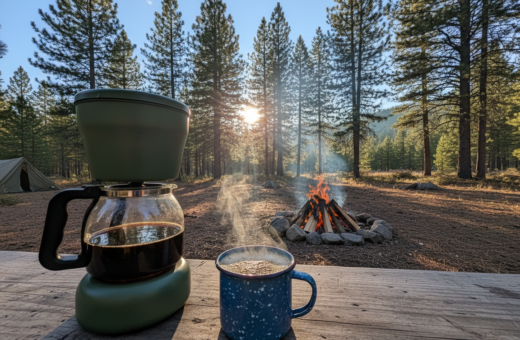
The COLETTI Bozeman percolator is a reliable alternative. Built from food-grade stainless steel and priced around $50–$65, it works on a stove or over an open fire. That stainless steel build removes the risk of shattered glass.
Travelers who check latest product reviews often pick stainless steel over fragile designs. A plastic water tank may seem light, but it can split if not properly mounted. That leak can waste water and ruin cabinets.
- Pick non-breakable parts: stainless steel components survive drops and heat.
- Secure the water tank: reinforced tanks resist cracks on rough roads.
- Save long term: durable gear reduces replacements and lost cups.
Ignoring the Importance of Counter Space
Counter real estate often decides if a kitchen is functional or just cluttered. In small, mobile kitchens every inch matters. A bulky espresso machine can block prep work and slow morning routines.
Measure before you buy. Always measure available counter space and plan where a coffee maker will sit. That one check saves time and prevents constant rearranging.
Storage Solutions for Compact Kitchens
The Black + Decker SCM2000BD Spacemaker is an example of smart design. This 8-cup coffee maker mounts under cabinets to keep the main surface clear.
- Use off-surface mounts: under-cabinet units free important work area.
- Pick removable parts: a detachable water tank makes filling and cleaning easier in tight quarters.
- Add modular storage: magnetic racks or custom shelving let the kitchen keep coffee gear without crowding counters.
They should avoid buying a large machine that forces them to move other items every time they brew a cup. When they check latest designs, look for compact, durable options that respect limited space and water needs.
Common Mistakes When Buying Espresso Tools for Camper Van Setups
Many buyers underestimate how different mobile brewing needs are from a kitchen at home. They pick flashy home models without checking battery life, size, or ease of cleaning.
Manual portable makers
Manual units save power but demand force and patience. A hand pump can make a rich shot, yet some drinkers find daily operation tiring.
Always test your comfort with a manual device before committing. Fresh beans matter more with manual extraction; pre-ground will often yield a weak cup coffee.
Semi-automatic machines
Semi-automatic machine buyers often overlook counter space and cleaning. These units can deliver café-style drinks but need regular maintenance.
- Pick removable filters and an easy-to-empty grounds bin.
- Check latest specs on water tank size to avoid repeated refills.
- Choose stainless steel components to resist vibration and wear.
Battery powered options
Many fail to check battery performance data. The OutIn Nano weighs 670 grams, uses a 20-bar pressure system, and can pull five hot shots on cold water with its triple 2500mAh battery.
“A top-tier portable like the OutIn Nano balances pressure, weight, and battery life.”
Tip: confirm that the coffee maker supports both grounds and capsules to maximize versatility and reduce wasted time in the morning.
Underestimating the Complexity of Cleaning and Waste
Waste handling and routine cleaning often determine which coffee maker works well in mobile life. Many travelers forget that cleaning demands both water and time. That oversight can turn a good morning cup into a hassle.
The Aeropress is a standout here. To clean it, unscrew the filter, dump the used coffee grounds, and rinse the cylinder briefly. That process uses very little water and generates minimal waste.
Van life users should avoid rinsing grounds down the sink. Coffee grounds clog grey water systems and cause slow or blocked drains. Instead, collect grounds in a compostable bag or waste container.
- Plan water use: cleaning can consume extra litres over a week.
- Pick low-maintenance machines: models with simple removable parts save time and battery cycles.
- Descale regularly: proper maintenance keeps the machine brewing well and extends life.
“Minimal-waste brewers and easy-clean parts are the best match for off-grid life.”
Selecting Equipment Without Considering Water Usage
Water usage often becomes the silent limit on how coffee routines work while traveling. Picking a coffee maker without checking how much fresh water it needs for brewing and cleaning can drain supplies fast. This causes extra stops and stress during a short trip.
Water Conservation Strategies
Choose low-waste models and plan each morning’s operation. The Coleman QuickPot is a solid option when one needs to heat hot water without shore power. It uses a small propane bottle and can brew up to ten cups in under twenty minutes.
Always check latest reviews for machines that let users control exact volume per cup. Also confirm the water tank is easy to fill and clean. Complex units often require extra rinses and waste more water during the cleaning process.
- Limit rinse cycles: wipe out grounds with a damp paper towel to save gallons over a month.
- Measure water per cup: set a predictable use for each brew and plan reserves.
- Prefer simple parts: stainless steel or removable tanks reduce spill risk and ease maintenance.
The Pitfall of Relying on Single Use Plastic Filters
Single-use plastic filters silently turn a simple morning ritual into recurring waste and clutter. They take up valuable space in a compact kitchen and create a steady need to restock while traveling.
Many modern coffee makers now include reusable stainless steel options that remove disposable waste entirely. Choosing a permanent filter saves money and cuts the plastic sent to landfills.
When a machine depends on paper or plastic filters, daily brewing adds boxes and trash that fill a small bin fast. That also means more stops to buy supplies and extra planning around water and cleanup.
- Eco advantage: reusable filters reduce plastic and lessen impact at campsites and parks.
- Practical gain: a permanent filter simplifies cleanup of coffee grounds and lowers ongoing costs.
- Space saved: fewer boxes and bags leave room for beans, a grinder, and a spare cup.
Choose a machine that supports a permanent filter and the morning routine becomes cleaner, lighter, and more sustainable.
Misjudging the Need for Freshly Ground Beans
Freshly ground beans make the biggest taste difference in a small mobile kitchen. Rinaldo’s coffee experts recommend fresh, recently roasted beans plus a good hand grinder to get peak flavor on the road.
Hand Grinder Benefits
A manual grinder removes the need for shore power or battery charging. It gives consistent particle size, which helps a cup coffee extract evenly. A quick daily grind preserves aroma and oils that pre-ground coffee loses.
Practical advantage: a quality grinder pairs well with any coffee maker and makes the most of beans in a compact setup.
Pre-Ground Coffee Trade-offs
Pre-ground coffee can be convenient but it fades fast. Oxygen, light, and heat strip flavor within days. If pre-ground is a must, store it in an airtight container and keep it cool.
- Flavor loss: ground coffee loses volatile notes quickly.
- Compatibility: even a top-tier espresso machine will underperform with stale grounds.
- Routine: grinding each morning often improves the brew and the ritual.
“A high-quality hand grinder makes great coffee possible anywhere.”
Forgetting the Impact of Altitude and Temperature
High altitude and cold nights change how water boils and how a brew tastes. Thin air lowers the boiling point, which can make coffee under-extract and taste sour if the operator uses the same routine as at home.
Adjust brew time and temperature. When traveling to higher elevations, lengthen contact time or raise water temperature slightly to compensate. That keeps a consistent cup and prevents a weak, sour extraction.
Cold weather also affects battery life and the ability to heat hot water. Batteries lose effective capacity in low temperatures, so heating water can take longer and use more energy than expected.
Store beans and grounds carefully. Temperature swings in a mobile kitchen degrade flavor. Keep beans in an airtight container in a cool, stable spot to protect aroma and oils.
- Remember altitude changes boiling point; tweak the brew process.
- Monitor battery drain in cold weather to avoid failed operation.
- Choose a coffee maker that tolerates environmental shifts and easy cleaning.
“Understanding altitude and temperature lets drinkers adapt and brew great coffee anywhere on the road.”
Neglecting the Need for Versatile Brewing Methods
A simple backup brewing method can save a morning when power or parts fail. A primary espresso machine may work great with shore power, but batteries or a broken pump change the plan fast.
Choose options that cover multiple scenarios. A compact coffee maker that doubles as a pour-over station or supports manual adapters keeps a reliable cup ready whether electricity is available or not.
- Backup manual methods: an Aeropress or pour-over ensures coffee even when the machine or inverter fails.
- Multi-use gear: pick items that save counter space and serve more than one brew style.
- Adjustable brewing: a flexible espresso machine lets users tweak pressure and temperature to match beans and time.
- Be prepared: variety in methods reduces dependence on a single power source or part.
“Versatility in brewing protects mornings from outages and limited water or space.”
Practical rule: balance a powered machine with at least one low-energy backup. That approach keeps the coffee ritual steady in an unpredictable travel life.
Conclusion
Balancing power, space, and durability makes the difference between a good morning and frustration on the road.
Choose stainless steel parts and at least one manual method to keep brewing reliable. Pack a compact grinder and fresh beans; freshness often improves taste more than an expensive machine.
Plan energy use, measure counter space, and limit cleaning needs to stretch water and battery life. Small backups save mornings when a primary unit fails.
For more compact brewing ideas and gear recommendations, see this camping coffee maker guide.