Finding a reliable coffee solution on the road means balancing space, power and flavor. This introduction looks at compact options that fit tight storage and low power setups.
The Aeropress is light and brews one to three cups per press. It has been a favorite among coffee lovers for over eight years. It does not need 120V power and saves time at morning stops.
The Wacaco Picopresso is tiny and weighs just 0.7 lb. At a little over four inches tall, it delivers genuine espresso with good pressure when used correctly.
Quality matters: a decent machine turns daily ritual into a cafe-style cup, even when travel limits power. Using a simple kettle to heat hot water cuts energy use and keeps price and cost down.
This guide includes affiliate links to help readers pick the right gear. It aims to help coffee lovers choose the best combination of flavor, power and ease of use.
Essential Criteria for Your Campervan Coffee Setup
A practical camper coffee station starts with realistic limits on counter area and power draw. Clear priorities make it easier to pick a coffee maker that fits daily habits and available resources.
Space Constraints
Measure shelf and counter space before choosing any machine. Even a compact coffee maker can crowd a small galley and block prep areas.
- Reserve room for a kettle or water jug.
- Pick models with compact footprints and easy storage.
- Consider durability—thin plastic parts wear faster in bumpy travel.
Power Limitations
Check electrical needs carefully. Some small machines, like the Keurig K-Slim, pull up to 1,500W briefly and may need a 2,000W inverter to start.
Prioritize coffee makers that deliver quality without huge draws. Managing water use and minimizing wasted cycles stretches battery time and reduces the need for extra power equipment.
Always verify price and durability and match pressure and heat requirements to the available power and layout. That prevents surprises on the road.
Why a Portable Espresso Maker for Van Life is a Game Changer
Small, rugged coffee devices let travelers keep taste and ritual even in tight quarters. They deliver cafe-style flavor without demanding full countertops or heavy power.
On the road, a compact coffee maker saves time and effort. A single quick brew yields a rich cup that replaces multiple weaker brews. That matters on busy mornings when time is limited.
Control over pressure and water temperature gives consistent shots and fuller flavor than most drip options. Quality components also resist bumps and repeated travel use.
- Durable construction fits small kitchens and rough travel.
- Saves money over routine cafe stops and cuts waste.
- Fast operation means more time on the road and less setup time.
“A compact, well-built unit turns any campsite into a place that serves great coffee.”
Investing once in a solid portable coffee maker often pays back in taste, time, and lower long-term price. That makes it a practical upgrade for anyone who values a true shot on the move.
Top Manual Espresso Picks for Precision Brewing
Precision brewing starts with a clear choice between pump pressure, lever control, or hybrid flexibility. Each path gives different control over extraction, body, and crema.
Manual Pump Systems
The Wacaco Picopresso is a standout manual pump system. It uses a 52mm stainless steel filter basket and can hold up to 18g, so it pulls full-bodied shots in a tiny footprint.
When a person uses a manual pump, they control pressure directly. That helps produce crema similar to an espresso machine without electricity.
Lever Driven Machines
Lever units like the Flair Classic give absolute control over pressure and flow. They need practice, but they reward the user with precise extractions and a true machine feel.
Quality components and consistent technique make lever units ideal for those who want barista-level results on the road.
Hybrid Options
Hybrid tools, such as the Aeropress, use paper filters and can brew a strong cup in 1 to 3 minutes. They bridge convenience and bold flavor using freshly ground beans and hot water.
These makers cost less than full machines and work well when power is limited. For many coffee lovers, hybrids hit the best balance of speed, taste, and price.
- Use consistent grind size and measured water to extract the best flavor.
- Choose steel or durable plastic parts to last through regular use.
- Remember that fresh, ground coffee matters more than complex gear.
“Control over pressure is the key step toward cafe-standard shots without heavy equipment.”
Versatile Coffee Makers for Small Spaces
Small, multi-use coffee tools can free up counter space while still delivering a strong, reliable cup. Selecting a compact coffee maker that does double duty keeps storage tidy and saves setup time.
Pour Over and Percolator Benefits
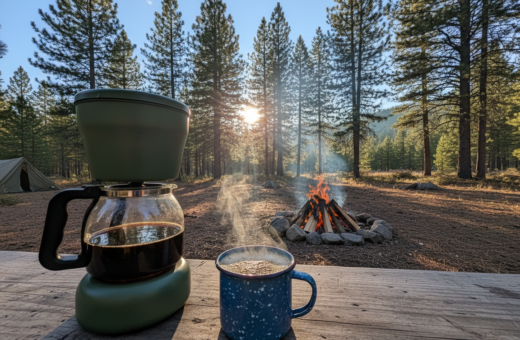
The COLETTI Bozeman percolator is stainless steel and brews up to nine cups, making it ideal for couples who want a bold pot without electricity. It is durable and stands up to road wear.
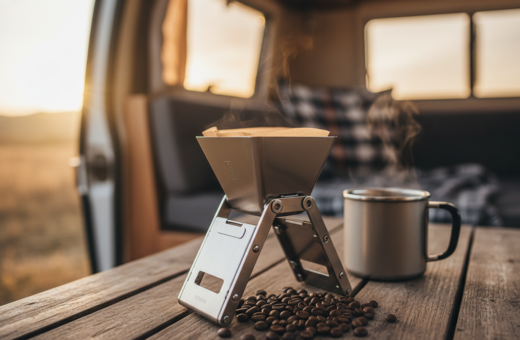
Pour-over systems use a simple cone and filter that tuck away easily. They deliver a clean cup and need only a kettle to heat hot water.
The Aeropress adds flexibility. It makes a quick cup in minutes and takes nearly no room. Combined with a small kettle, these tools avoid heavy power draws and complex machines.
- Durable steel or high-quality plastic parts resist vibration.
- Low price and simple maintenance make these coffee makers a smart upgrade.
- Choose devices that save space and serve multiple uses to maximize value.
“Whether a percolator or pour-over, the right manual tool fits a mobile kitchen and keeps great coffee within reach.”
Evaluating Power Sources and Energy Efficiency
A small coffee setup’s real expense is often its energy draw, not the upfront price of the machine. Choosing a low-power coffee maker preserves battery life and reduces the long-term cost of staying off-grid.
Many espresso machines demand high watts to heat water quickly. That can drain an inverter and battery bank in a few brews. He should compare start-up draws and steady-state watts before buying.
Manual espresso methods pair well with a simple stove or small kettle. They shift effort to the user and cut electrical needs to nearly zero.
- Assess total energy cost: include inverter size, battery capacity, and replacement cycles.
- Pick high-quality, low-power makers to keep coffee reliable without large power systems.
- Plan brewing time: manual cups often take longer but provide better control and less draw.
“A well-planned setup lets anyone pull a perfect shot regardless of power source.”
Managing Space and Weight in Your Kitchen
Space and weight shape every decision in a small kitchen; smart gear keeps function high and clutter low. He should pick coffee tools that stow flat and clean quickly to keep the galley usable.
Choose compact options: the Coleman QuickPot brews ten cups on propane in about 20 minutes. It saves battery power and frees electrical capacity for other systems.
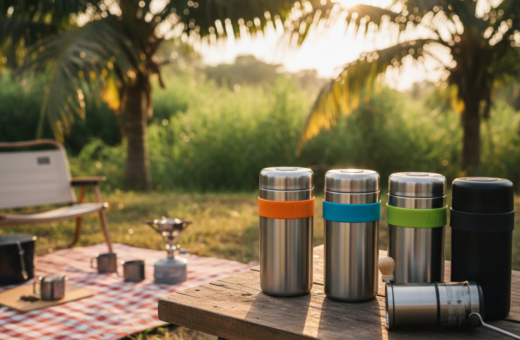
Consider heat-retention: the Black + Decker SCM2000BD has double thermal walls to keep up to eight cups warm. It weighs more, but it can replace extra travel mugs and reduce reheats.
Practical packing and materials
Weight matters on the road. Stainless steel options resist dents and reduce replacements. A simple filter and measured ground coffee cut cost and storage needs.
- Prioritize compact, lightweight designs that nest or fold.
- Pick machines that use minimal power or run on propane to protect battery capacity.
- Choose easy-to-clean parts to keep the kitchen organized and hygienic.
“A well-chosen coffee system saves space, weight, and time without giving up quality.”
Tips for Achieving Barista Quality on the Road
Consistent technique and small upgrades lift road coffee from good to cafe-quality. He can reach steady results with focused practice and a few reliable tools.
Grind Consistency
Freshly ground beans matter. A quality manual grinder gives consistent particle size and improves extraction every time.
Use a grind that matches the machine and keep doses steady. Clean the filter after each use to avoid old grounds tainting flavor.
Water Temperature Control
Heat the water to about 195–205°F. A small kettle with a thermometer keeps the water in range and prevents a burnt taste.
With a manual machine, he controls pressure and timing. That control is the secret to rich crema and fuller body in each cup.
- Practice timing and pressure to improve shots over time.
- The Aeropress is useful for experimenting with brew time and flavor profiles.
- Investing in a good grinder pays off in better-tasting coffee daily.
Treat the galley like a home cafe: keep tools clean, parts maintained, and consider a recommended unit such as the best espresso machine for RV when power and space allow.
Cleaning and Maintenance for Life on the Move
A quick clean after brewing keeps gear reliable and saves time when he needs to roll early. Simple routines prevent scale, stale oils, and clogs that harm flavor and pressure.
Daily care: Rinse steel and plastic parts with hot water and wipe the seal. Using paper filters cuts cleanup—toss the filter and grounds into a compost bin and rinse the portafilter or basket.
Composting Grounds and Waste Management
Composting used ground coffee is an eco-friendly waste plan that keeps the galley tidy. A small compost container or resealable bag contains smells and makes disposal easy at dump stations.
- Rinse the machine parts in under a minute to save time.
- Use a basic cleaning kit every few weeks to remove oil buildup.
- Check seals and gaskets to keep pressure consistent and preserve espresso quality.
The price of basic supplies is low, but regular care extends the life of the machine and keeps each cup tasting fresh during travel.
“A little maintenance each day prevents long cleanups and protects flavor on the road.”
Essential Accessories to Complete Your Coffee Kit
Completing a coffee kit means packing tools that protect gear and preserve flavor on every trip.
Core items sharpen daily routine and improve consistency. A high-quality manual grinder is essential to get the right grind for any portable espresso device. An airtight container limits condensation and keeps beans fresh.
Durability and backup matter on the road. A tough travel case protects the machine from bumps. Stainless steel accessories are easy to clean and last longer than cheap plastics.
- Carry a small, accurate scale to weigh ground coffee and water precisely.
- Keep extra filters and spare seals to avoid surprises in remote travel.
- If using the Outin Nano, plan charging: it can take about 45 minutes to recharge fully.
Curating a compact kit of grinders, containers, and steel tools boosts quality and keeps pressure and power needs predictable. That ensures a steady, well-extracted espresso shot wherever they park.
“A few smart accessories make every cup easier and more reliable.”
Conclusion
A well-planned coffee kit balances durability, energy use, and taste, giving reliable results on any trip.
Choosing the right manual unit is a rewarding process that boosts daily travel routines. Prioritize quality, efficiency, and simple operation to get cafe-style cups without heavy power needs.
They should match equipment to space and battery limits, and keep a small set of accessories and spare parts on hand. Regular cleaning and a few good tools extend gear life and improve flavor.
Final tip: review the affiliate links in the article to find current deals on recommended gear and make a confident purchase today.