Traveling light often means making the most of every ingredient in a tiny kitchen. Kathy Patalsky notes that brewing a bit extra is practical. A warmish pot on the counter becomes a chance to transform a simple cup into something new.
This short guide shows how to use that extra brew without waste. It highlights quick, space-friendly ideas and one-pot approaches that suit campers and compact apartments. Each tip fits a small pantry and minimal gear.
Practical and flavorful, these suggestions turn routine brewing into an asset while traveling. Readers will learn simple ways to repurpose a brew into snacks, beverages, or a sweet twist on a familiar recipe. The result saves space, time, and money.
The Art of Managing Leftover Coffee
When a warm pot sits unused at eleven AM, travelers face a simple but common kitchen puzzle. Small spaces demand smart use of every ingredient and sensible storage so nothing goes to waste.
“She often stumbles through the kitchen at eleven AM and finds herself with a pot of coffee she no longer wants to drink hot.”
The Coffee Dilemma
Keeping enough brew for the morning without wasting the rest is a daily challenge. It is easy to overestimate how much a single cup will satisfy a trip’s needs.
Benefits of Repurposing
- Save time and resources by turning extra liquid into an ingredient for simple dishes.
- Organize the kitchen with labeled containers so each pot is ready when creativity strikes.
- Every leftover drop can boost flavor in a snack or a meal, elevating what would be a plain cup into a useful element.
Essential Ingredients for Small Space Cooking
A handful of versatile ingredients can transform a small pot of brewed coffee into a savory backbone for many dishes.
Start with bold bases. Barnie’s Coffee & Tea Co. suggests using twice the grounds to make double-strength brewed coffee for cooking. That concentrated cup gives depth without adding liquid weight.
Keep a short staples list so people can mix and match flavors on the road. Olive oil, strong stock, canned tomatoes, and a good spice blend expand what a single brew will do.
Lisa Cooper of Leander, Texas, notes that adding rich elements to a vegetable dish turns it into a cold-night cure.
“A little bitterness from a strong brew lifts roasted vegetables and makes the meal feel complete.”
- Choose concentrated brewed coffee to avoid watering down a sauce.
- Let the brew cool to room temperature before adding it to any recipe.
- Keep flexible ingredients so people can make several dishes from one small pantry.
Refreshing Leftover Coffee Recipes for Hot Days
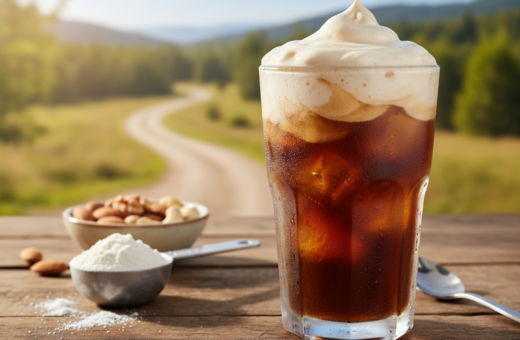
On hot afternoons, a chilled blended drink turns a spare cup into an instant refresher. This approach is quick, portable, and ideal for small kitchens or campsites.
Smoothie Variations
Simple blend: Combine 1/2–1 cup brewed coffee, 2 frozen bananas, 1 cup soy milk, 1 tbsp agave, and a pinch of cinnamon. Blend for a few minutes until smooth.
Customize it: Stir in a teaspoon of cocoa powder or a dash of vanilla to boost chocolatey flavor. Add a scoop of protein powder for a filling cup that doubles as breakfast.
- Swap milk types—almond, oat, or dairy—to change texture and fat content.
- Use a teaspoon of sugar or alternative sweetener to taste.
- Try a pinch of spice for an unexpected cozy note.
For a tested variation and full directions, see this leftover coffee smoothie guide.
Savory Dishes Enhanced by Brewed Coffee
Travel cooks can rely on a single cup of strong brew to lift savory dishes with deep, smoky notes. A splash into a stew or sauce adds immediate richness and helps layer flavor without extra gear.
Lisa Cooper’s beefy sweet potato soup packs 19g of protein per serving, showing how hearty ingredients pair well with a brewed addition. The brew’s mild bitterness cuts through fat and highlights the vegetable and meat components.
In small kitchens, this technique makes it possible to create restaurant-quality meals with minimal effort. Use the brew in marinades, braises, or as a base for pan sauces to add complexity fast.
- Depth: A cup in a braise brings smoky, rounded notes to red meat.
- Balance: Bitterness trims richness and brightens a heavy dish.
- Versatility: One measured addition improves soups, stews, and pan sauces.
Creating Homemade Coffee Butter
Whipping brewed grounds into butter creates a compact, flavor-packed spread ideal for small kitchens. It is a simple project that gives cooks full control over ingredients and strength.
Basic method: whisk finely ground coffee into softened unsalted butter or churn heavy cream into butter, then fold in grounds. Using heavy cream yields a richer, more decadent product that stores well in a small fridge.
Sweet Applications
For a sweet spread, mix in a little sugar and a pinch of cinnamon. This makes a lovely topping for toast or warm pancakes and doubles as a simple dessert enhancer.
Savory Applications
Omit sugar and use unflavored grounds to make a compound butter for roasted vegetables or grilled proteins. The mild bitterness adds depth without extra gear.
- At home control: adjust sugar, spice, and grind size to refine flavor.
- Store in a small airtight container to save space and keep freshness.
- See Barnie’s guide for variations and tips on balancing strength.
Barnie’s guide offers useful notes on technique and ingredient ratios for travelers.
Sweet Treats Using Coffee Grounds
Travelers with little gear can still make sophisticated desserts using one measured cup and a few staples. A simple jelly or baked bite shows how a bold brewed element becomes a refined treat.
Coffee jelly is a popular Japanese dish with a jiggly texture and strong flavor. It needs minimal equipment and sets quickly, which suits small spaces and short trips.
Sweeten the jelly with sugar or a splash of vanilla to balance the bitter notes. Top each portion with a dollop of cream for a silky contrast. Barnie’s Coffee & Tea Co. notes that this finish makes the dish feel indulgent.
“A dollop of cream makes it indulgent.”
For variety, fold brewed grounds into muffin batter for subtle chocolate notes, or sprinkle a little cocoa into the mix. These recipes travel well, can be prepared ahead, and keep a traveler’s pantry light while offering a satisfying dessert.
Quick Breakfast Ideas for Travelers
Mornings on the road call for fast, tasty options that use what’s already in the kitchen. These ideas make the most of a single cup and a few staples.
Coffee Glazed Doughnuts
Chocolate doughnuts get an easy upgrade with a coffee glaze. Barnie’s Coffee & Tea Co. suggests pairing cocoa or mocha flavoring with the glaze for a rich, familiar start to the day.
The glaze sets in about 30 minutes, so plan a short wait while you pack for the next leg of travel. Use a teaspoon of vanilla and a bit of sugar to balance the bitterness.
Breakfast Danishes
Make simple danishes by folding a small square of puff pastry around cream or fruit and brushing the top with a thin coffee-sugar mixture. A little butter or cream adds richness without weighing down a compact pantry.
Protein Boosts
To raise protein, fold chopped nuts or a scoop of protein powder into the dough or filling. This adds texture and keeps a traveler full longer.
- Portable: Doughnuts and danishes travel well for a quick morning bite.
- Efficient: Using one cup in a glaze maximizes limited ingredients.
- Flexible: Top with chocolate or mocha for a treat that suits any day.
Incorporating Coffee into Meat Marinades
A small cup of concentrated brew brings unexpected depth when added to a meat soak or jerky mix. It adds a roasted, umami edge that lifts the overall flavor.
Barnie’s Coffee & Tea Co. highlights a coffee and cola jerky that uses sambal oelek for heat and strongly brewed liquid for richness. The result is a high-protein snack that holds well on the road.
Use one measured cup of strongly brewed liquid, a splash of cola, and a teaspoon of chile paste or hot sauce to balance any sugar in the mix. Marinate thin strips for several hours, then dry or bake until chewy.
- Tenderizing: The brewed element helps break down muscle fibers for more tender protein.
- Longevity: Properly made jerky can refrigerate up to six weeks, ideal for long trips.
- Versatility: Apply this approach to roasts, steaks, or small-batch jerky for portable meals.
Tip: Using leftover coffee in marinades reduces waste while creating a bold, savory profile that pairs well with salty meats and smoky spices.
Baking with Coffee for Added Richness
A small splash of strong brew can turn plain batter into a deeper, more complex dessert. In tight quarters, this trick gives baked goods a richer profile without extra gear.
Mocha Flavor Profiles
Barnie’s Coffee & Tea Co. recommends adding brewed coffee to brownies or frosting to boost chocolate depth. The mild bitterness balances sugar and makes the chocolate taste more intense.
“The bitterness of coffee balances the sweetness of chocolate, creating a sophisticated mocha flavor profile.”
- Simple swap: Replace part of the liquid in a brownie or muffin recipe with a strong cup to deepen cocoa notes.
- Fast bakes: Pizzettes and rich cookies bake in under 10 minutes and can be topped with a mocha glaze made with cream and a touch of vanilla.
- Protein boost: Stir in a scoop of protein powder for travel-friendly snacks that hold up in a small kitchen.
Using Coffee as a Cooking Surface
Baking carrots on a bed of whole beans gives the vegetables a subtle, aromatic lift while they slow-roast. Barnie’s Coffee & Tea Co. notes this technique lets bean oils perfume the carrots without adding liquid or fuss.
This method needs about 2–3 hours of low-and-slow heat, which means very little active work for the traveler. While the oven does the time-consuming part, a high-protein side or main can roast alongside, making efficient use of space and energy.
The beans act as a gentle buffer so the carrots cook evenly and pick up a delicate, earthy note. After the minutes of setup, people can step away and return to a ready dish that pairs well with simple proteins.
- Unique flavor: whole beans infuse an aromatic layer the way a spice bed would.
- Low attention: set and forget—ideal for travel kitchens.
- One-oven cooking: prepare a protein-rich roast or pan while the carrots finish.
- Finish step: discard the beans after cooking; their oils will have flavored the vegetable mixture.
Tips for Storing Coffee While on the Road
Good storage habits extend the life of a single cup and make travel cooking simpler. Travelers who plan ahead waste less and gain more flavor for quick meals and snacks.
Temperature Control
Keep it cool: Chill any leftover coffee in the fridge within two hours of brewing. Cold storage slows bacterial growth and preserves flavor for your next use.
Use it within 48–72 hours for best results, especially if the brew will be used in a smoothie or a savory marinade that boosts protein-rich meals.
Storage Containers
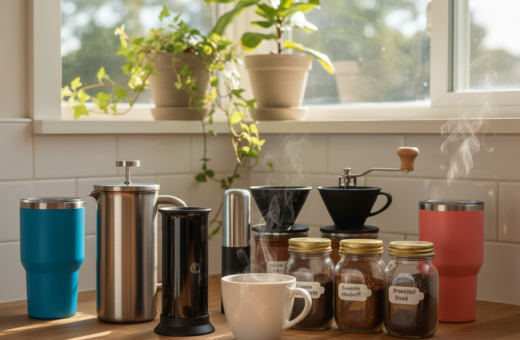
Choose airtight containers to limit oxidation and odor transfer. Small mason jars or vacuum-seal bottles work well in tiny fridges and take up little space.
- Label jars with the brew date so you track shelf life over time.
- Separate brewed liquid from whole beans and other ingredients to maintain each item’s peak quality.
- If only a cup remains, pour it into a sealed vessel to save for a quick recipe or to add depth to a sauce.
“Using high-quality beans is the first step to ensuring coffee-based recipes turn out perfectly every time.”
Balancing Flavors in Your Coffee Dishes
A few smart additions can tame bitterness and highlight the best notes in any brew-based dish.
Barnie’s Coffee & Tea Co. advises balancing the brew’s bite with dairy or fat. Adding a teaspoon of cream or a small knob of butter smooths edges quickly.
For sweet applications, a touch of sugar or a splash of milk rounds the profile in under a few minutes. For savory work, a dab of butter or a swirl of cream brings body to a sauce or pan mixture.
They recommend tasting as you go. Adjust salt, acid, and sweet elements to harmonize the bold flavor. One measured cup can change a dish when balanced well.
- Start small: add a teaspoon of cream, then test.
- Use fat: butter or cream soften bitterness and add sheen.
- Taste often: tweak seasoning to suit the kitchen’s tools and time constraints.
Good balance makes the most of that spare brew and turns a simple element into a versatile ingredient for any recipe.
Why You Should Never Waste Your Brew
Treat every brewed pot as an ingredient, not waste, and your travel kitchen will reward you with rich, simple dishes.
Barnie’s Coffee & Tea Co. encourages home cooks to treat brewed liquid like unsweetened chocolate: it adds depth and notable richness to a brownie or glaze.
In the morning, a single cup can be transformed in minutes into a butter, a glaze, or a savory addition that lifts a breakfast or dessert. This small act saves time and keeps the kitchen productive while on the road.
“Every pot can be a gourmet moment when you repurpose it into a spread, sauce, or baking boost.”
Quick wins:
- Turn one cup into a coffee-butter to spread on toast or muffins.
- Stir a splash into frosting or brownies for deeper chocolate notes.
- Use a measured amount in a pan sauce to boost a savory dish in minutes.
Every recipe made from that cup honors the effort of brewing, turning a simple pot into a small, delicious treat at home or on the road.
Conclusion
One measured cup can unlock new textures and layers across sweet and savory dishes. Travelers in small kitchens gain big flavor with minimal gear.
Repurposing a single brew is both creative and practical. By trying a simple recipe or a chilled drink, they can stretch pantry staples and save money on the road.
These techniques help reduce waste and add depth to meals. Experimentation turns a modest cup into sauces, spreads, or quick desserts that suit tight spaces and short trips.
Readers are encouraged to test a few ideas and adapt them to their tastes. Small changes can make travel cooking more resourceful and more delicious.