Mastering compact organization makes daily brewing faster and more pleasant. Designer Marnie Oursler shows how an efficient coffee station can fit into unexpected spots, from the area under stairs to a tucked-away corner. This approach frees counter space and gives each essential a clear place.
A dedicated coffee bar keeps the maker, beans, and mugs within reach and reduces morning friction. Choosing the right cabinet and shelves helps maintain a clean look while keeping appliances handy. A slim cart or wall-mounted shelf can turn a narrow side into a useful station.
Good design blends form and function. With thoughtful placement of a coffee machine, canisters, and a few well-chosen hooks, the setup feels organized and stylish. These ideas help any home create a practical spot for tea or espresso without sacrificing room or style.
Assessing Your Available Kitchen Space
Start by mapping every available counter and cabinet to see where a brewing setup will fit best. Measure the counter space, note outlet locations, and mark cabinets or shelves that could house a coffee bar. This creates a clear plan before buying a cart, shelf, or new cabinet.
Anthony Wilder Design/Build recommends matching the coffee bar cabinetry to existing kitchen cabinets for a cohesive look. When the finish and color align, the station blends into the room and feels intentional rather than an add-on.
Evaluate how a coffee maker and coffee beans will sit on the counter without crowding essentials. Identify a spot that keeps the machine near water and clears a place for mugs and canisters.
Explore options like a dedicated shelf, a narrow cart, or built-in cabinets to maximize every inch. A professional approach balances design and function so the station saves time in the morning and complements the home’s style.
Strategic Placement for Maximum Efficiency
Placing a brewing area where tasks flow naturally saves time and reduces clutter. A clear plan makes the station feel intentional and easier to use. The goal is to keep the maker, mugs, and supplies within an easy reach.
Proximity to Water Sources
Locate the bar near a water line or sink whenever possible. In Detail Interiors installed a tap directly into a coffee station so users fill the coffee maker without moving it.
That tap cut refill time and kept the countertop neater. Placing the station close to a trash bin also streamlines grounds disposal.
Workflow Considerations
Design the workflow from left to right: beans, grinder, machine, mugs, and waste. This reduces steps and saves morning minutes.
- Reserve counter space for the machine and prep tasks.
- Use vertical shelving to store beans and mugs and keep the look tidy.
- Arrange cabinets and shelves to support daily routines and appliance access.
Optimizing Small Kitchen Coffee Storage
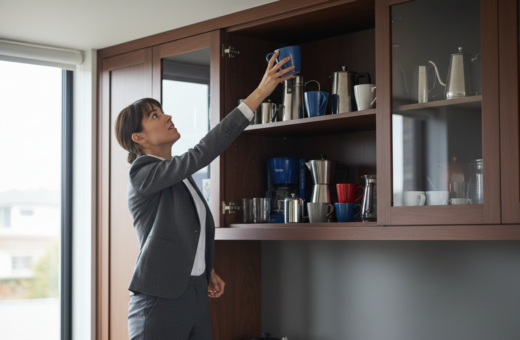
Make every inch count by assigning a purpose to each cabinet and shelf near your brewing zone. Use one cabinet for beans and filters, another for mugs and spare parts, and a top shelf for rarely used appliances.
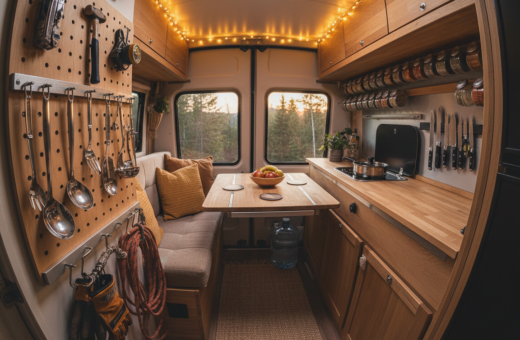
Vertical wall solutions help a lot. Hang mugs from hooks or add a narrow shelf for jars of beans. A peg rail keeps tools visible but off the countertop.
A tidy coffee station starts with a professional approach: tuck the coffee maker behind a cabinet door or on a slide-out tray so the countertop stays clear. This preserves the look of the room while keeping the machine accessible.
- Fit a slim cart into a corner to hold the maker and cups while freeing counter area.
- Label clear canisters to speed morning routines and save time.
- Use adjustable shelves to adapt as appliances or needs change.
Utilizing Underutilized Architectural Nooks
Turning awkward under-stair areas into usable zones creates both visual interest and practical benefit.
Designers like Marnie Oursler have turned stair alcoves into functioning coffee bar areas with open shelving and custom cabinet runs. These builds tuck a maker and essentials out of the main flow while keeping them easy to reach.
Whitney Spinks proved an arched niche can become a neat coffee station by pairing bright white cabinetry with natural wood shelves. The result feels intentional and adds a stylish focal point to the room.
Lisa Robazza Design took this further by adding a sink and a coffee bar under stairs in a Canadian project. That layout frees countertop area and creates a professional-grade prep zone for espresso and mugs.
Quick ideas:
- Use one cabinet for beans and filters, and a shelf for mugs.
- Add open shelves for display and vertical access.
- Choose a compact coffee maker and tuck cords behind the cabinet.
Implementing Vertical Wall Solutions
Mounting solutions on a blank wall can transform wasted height into a tidy brew zone. Vertical systems keep the work area clear and make daily routines faster. They also add a design element that fits the room and home.
Installing Peg Racks
Peg racks make mugs easy to grab and display. Rebekah Murphy installed a peg rack that holds a row of mugs and espresso cups. The result is functional and adds a warm, crafted touch to the coffee bar.
“A peg rack turns everyday items into a focal point,” Rebekah Murphy observed.
Using Rail Systems
Rail systems keep grinders, spoons, and filters within reach. Emily Bowser uses a rail to hang a French press and tea accoutrements near the maker. This approach clears the countertop and organizes essentials.
- Wall-mounted shelves free counter space and display beans and cups.
- Combine a peg rack with a shelf to balance form and function.
- Choose finishes that tie into nearby cabinets and shelves for cohesive style.
Choosing the Right Furniture for Mobile Setups
Choosing furniture for a mobile setup means balancing wheels, weight, and usable surface so the station performs well anywhere.
A rolling bar cart is a top choice. Alice & Lois recommend a cart to move a coffee station outdoors for guests on warm days.
Pick a piece with a stable top for the coffee maker and a lower cabinet or shelf for beans and mugs. The right cabinet helps keep essentials organized while on the move.
Designers suggest a well-stocked cart can act as a complete coffee bar. Add compartments for filters, a drawer for spoons, and a hook for a mug or two.
Portability creates flexible space in any room or on a porch. A mobile station lets a host set up service where guests gather without crowding the countertop.
- Choose casters that lock for safety.
- Confirm the cabinet holds your maker and extra supplies.
- Include a shelf for cups and a tray for used grounds.
“A versatile cart makes beverage service effortless and keeps design cohesive throughout the home.”
Incorporating Hidden Appliance Garages
Concealed appliance garages let functional equipment vanish into the background until needed. This approach keeps a coffee station tidy while preserving the room’s aesthetic.
Designers recommend built-in solutions that blend with existing cabinet runs. Heidi Harris suggests concealing appliances in cabinets to maintain clean counters. Andi Morse builds shelving that hides a microwave and maker behind doors.
Pocket Door Designs
Brayer Design uses pocket doors to reveal a lit station only when it’s in use. The result is hidden function and instant access.
Lift-Up Cabinet Doors
Lift-up doors offer quick reach without extra swing room. They work well over a counter where a maker sits on a slide-out tray.
Appliance Garages
Orsi Panos Interiors used appliance garage in corner to convert an odd space into a functional coffee bar.
“Custom cabinetry keeps everyday devices out of sight and the surface uncluttered.”
- Use lift-up doors or pocket systems for easy access.
- Match finishes so the hideaway reads as part of the home.
- Consider integrated lighting and an outlet inside the garage.
For more ideas on appliance garages, explore dedicated guides that show practical builds and finishes.
Selecting Cohesive Storage Canisters
Choosing matching canisters instantly elevates the look of a coffee station while protecting beans from light and air.
The Merrythought favors a mix of white and black accessories to create a calm, unified feel inside a bar cabinet. Uniform containers on the shelves make it easier to find beans, sweeteners, and filters at a glance.
For a polished room, match finishes to existing hardware and trim. Pick airtight canisters for beans and a separate set for sugar and sweeteners to preserve flavor and order.
- Use two to four uniform jars to keep the top shelf tidy.
- Label lids discreetly for quick prep and a professional look.
- Store the maker nearby so refills stay simple and efficient.
Consistent canisters turn a cluttered station into a curated display. The result is both practical and visually appealing, making mornings smoother and more enjoyable.
Managing Mugs and Drinkware Displays
A well-planned mug display makes the brew area feel curated and ready to use. Thoughtful placement keeps favorite pieces within reach and elevates the look of the coffee station without clutter.
Open shelving invites a tidy, intentional presentation. Placing everyday cups at eye level reduces steps while morning traffic is still light.
Displaying Mugs on Open Shelving
Designers recommend grouping items by function and finish. Keep mugs together near the maker so grabbing a cup is quick and logical.
- Arrange by height: Place taller glassware on one end and stackable mugs on another to keep shelves neat.
- Limit daily access: Store rarely used pieces on the top shelf and everyday mugs within arm’s reach.
- Use hooks or pegs: Hang a row of favorite mugs to free shelf space and add texture to the bar.
A dedicated mug area signals a professional approach. When drinkware is organized, the station works faster and looks intentional.
“A simple mug display makes a functional corner feel like part of the room, not an afterthought.”
Creating a Dedicated Prep Zone
A dedicated prep area organizes tools so every step of the brew happens in one smooth motion. Positioning a compact prep zone near the main coffee bar makes mornings faster and keeps surfaces tidy.
Reserve at least one cabinet for the maker, grinder, and accessories. A single cabinet that houses the machine and a pull-out tray keeps cords and spills contained.
Include a second shelf or drawer for beans, sweeteners, and stirrers. Clear labeling and grouped containers reduce decision time while preparing a drink.
- Place the maker next to a dedicated prep surface for ease of use.
- Store grinders and filters in the same cabinet to keep the workflow seamless.
- Keep daily items within arm’s reach and lesser-used tools higher or behind doors.
Professional designers recommend locating the prep zone adjacent to the bar so movement is minimal and the routine stays consistent. With careful organization, any home station can perform like a compact, professional setup.
Enhancing Functionality with Pullout Shelves
Smart pullout systems turn tight cabinetry into an accessible, organized workspace. They make heavy appliances simple to use and free up counter space when not in use.
Custom Pullout Trays
Custom pullout trays support heavy machines and keep cords and spills contained. A tray slides the maker forward for brewing, then tucks it away cleanly.
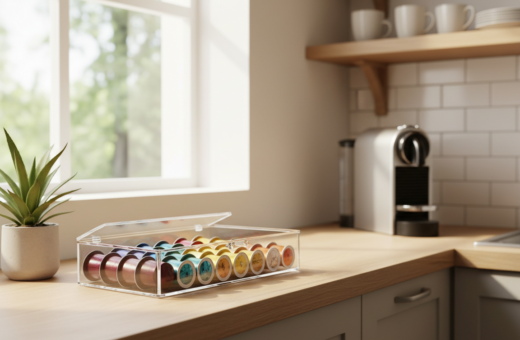
JWH Design and Cabinetry attached pod holder to cabinet door to keep pods visible and easy to reach. This kind of detail speeds prep and reduces mess.
Drawer Organization
Deep, well-organized drawers make a station feel professional. LGB Interiors uses drawer for coffee maker, hiding the machine while keeping it instantly available.
- Pullout trays work best for heavy appliances and frequent use.
- Use dividers to group pods, spoons, and filters for fast access.
- Label drawers and add non-slip liners to protect equipment.
“Pullouts and drawers change how a bar functions, making every inch purposeful.”
Result: these additions save time during busy mornings and help the station stay neat and efficient.
Adding Decorative Touches for Style
A few well-chosen accents can turn a practical brew corner into a memorable design moment. Decorative items elevate a coffee station and make the area feel intentional.
Sarah Joy Blog suggests footed wooden tray for coffee setup to anchor items and create a curated look. A tray groups the maker, mugs, and jars so the surface reads as one composed vignette.
Add a small potted plant, a framed print, or a sculptural spoon rest to bring texture and color. These pieces personalize the station and make mornings more enjoyable.
- Use one focal tray to contain daily items.
- Add low-profile greenery to soften hard edges.
- Choose a single framed art piece to set the tone.
- Keep functional items visible but styled for display.
“A footed tray lifts essentials and feels intentionally arranged.”
Final note: small decorative choices create an inviting bar that complements function without adding clutter.
Maintaining a Clean and Organized Bar
Simple habits ensure the bar stays hygienic and efficient. A brief daily routine prevents buildup and keeps the brew area pleasant to use. Clear zones for tools and waste make cleanup fast and predictable.
Designate a waste spot so grounds and used filters never linger on the counter. A knock box or small bin near the grinder simplifies disposal and reduces mess. Emptying the container daily avoids odors and stains.
Managing Coffee Grounds and Waste
Regularly wipe the surrounding surfaces and flush group heads or brewer lines according to the manufacturer’s guidance. This keeps the station sanitary and prolongs equipment life.
- Place a knock box or sealed bin near the prep surface.
- Wipe spills immediately and clean trays weekly.
- Schedule a deeper machine clean monthly to remove buildup.
- Store used grounds for composting if desired, then rinse the bin.
“A tidy system saves time each morning and preserves flavor.”
Adapting Your Setup for Seasonal Changes
Seasonal swaps keep a brew corner lively and invite fresh rituals into daily routines. Simple changes make the space feel new without taking on a remodel project.
Swap mugs, update accents, and rotate flavorings to match the mood of each season. A few spring florals or summer citrus elements change how the area reads and how drinks taste.
For the holidays, add festive touches to the bar so guests feel welcomed. Small additions — a wreath, spiced syrups, or themed napkins — set a warm tone and invite conviviality.
- Rotate drink options: offer floral syrups in spring and spiced blends in winter.
- Refresh display items: swap trays, mugs, and a single art piece to change the look.
- Keep it flexible: store seasonal props nearby so updates are fast and effortless.
By treating the coffee station as a dynamic zone, homeowners can enjoy varied brewing experiences year-round and express seasonal creativity with minimal effort.
Troubleshooting Common Storage Challenges
When storage feels tight, rethinking vertical space often yields the biggest payoff for a bar.
Start by editing. Move rarely used items to another cabinet so daily tools stay in front. This clears work surfaces and reduces visual clutter.
Next, add vertical solutions. Wall-mounted racks, narrow shelves, or peg rails lift jars and mugs off the counter. These options free space and improve access.
- Prioritize items used every morning and keep them within arm’s reach.
- Use labeled canisters and trays to make the zone easy to maintain.
- Choose a single hanger or rail for spoons, filters, or a grinder to stay organized.
Keep systems simple. A tidy bar should be easy to reset each day. Consistent homes for beans, mugs, and tools cut decision time and reduce mess.
“Every bar can be optimized with a clear plan and a bit of creativity.”
Conclusion
A purposeful brew corner streamlines mornings and adds a thoughtful layer to daily routines.
By focusing on strategic placement and smart solutions, anyone can build a bar that fits their routine. Use vertical shelving and hidden compartments to free surfaces and keep the area neat.
Whether they are casual drinkers or espresso enthusiasts, readers benefit from clear zones for grinder, maker, and mugs. Simple habits — wipe downs, labeled canisters, and a dedicated prep surface — make the setup reliable and pleasant.
With the right choices, a well-organized station becomes a cherished part of the home and a perfect start to every morning.