Many full-time travelers agree that a hot cup is part of the morning ritual. Whether they favor a quick instant cup like Mt. Hagen or a specialty on-the-go blend such as Alpine Start, taste and convenience guide every choice.
Choosing the right coffee maker depends on travel style. For car camping, weight is less strict and an electric maker can deliver higher quality flavor. For backpacking, seconds matter and a simple method that uses minimal water and gear wins.
Understanding basic differences—power needs, time to heat water, and the way pressure or a grinder affect flavor—lets travelers pick the best option for their trip. A small pot, a lightweight maker, or even instant coffee can all be the right choice.
Investing in compact gear ensures that mornings remain a highlight. With the right setup, they can make coffee that tastes close to home no matter where the road takes them.
Essential Factors for Off Grid Coffee Brewing Methods
Mornings on the move demand gear that balances weight, speed, and ease. When choosing off grid coffee brewing methods, travelers must match gear to trip goals. Size and pack space shape what they can carry. Time constraints shape what they will use each morning.
Weight and Size Considerations
Backpackers count every ounce. A bulky pot or heavy maker can make a trip harder.
Light, compact options win for long hikes. A small filter cone or single-serve packet takes little room. A French press may be great for taste but adds weight.
Group Size and Speed
Group needs change the plan. Brewing for one differs from making a camp crew a cup.
- Speed matters when they must hit the trail in minutes.
- Ease of cleanup is vital when fresh water is scarce.
- Check the quality of grounds or beans so flavor matches the chosen way to make coffee.
- Boiling water at altitude takes more time and can affect overall routine.
The Convenience of Instant Coffee
When mornings must be fast, instant options deliver caffeine with minimal fuss.
Instant coffee has improved. Brands like Mt. Hagen and Alpine Start now rival many traditional choices in flavor and quality.
Travelers simply add hot water to a cup, stir until dissolved, and enjoy. This saves time and cuts cleanup, which makes it ideal for backpacking or a quick camp morning.
Packets and jars are lightweight and take little space in a pack. They let someone get a warm brew in seconds, freeing more minutes for the day’s plans.
- Zero grounds to discard — no mesh or paper filters needed.
- Good options work at home as backups or while on a trip.
- Pairs well with a small pot or a simple kettle for boiling water.
Mastering the Pour Over Technique
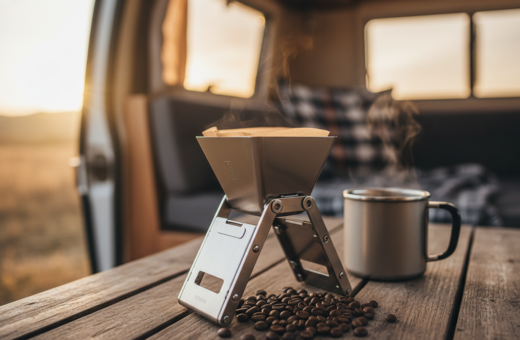
A careful pour can transform simple grounds into a bright, layered cup on the trail.
Focus on control. Heat water to just below boiling, then let it rest a few seconds. A slow, circular pour extracts balanced flavor from the grounds and keeps bitterness low.
Use a paper filter to trap fine sediment for a clean, smooth cup. Preparing a few filters at home saves time at camp and reduces mess.
Single Serve Packets
Single-serve pour-over packets are ideal for backpacking. They cut weight and cleanup while still offering good quality and a consistent cup.
- GSI Ultralight Java Drip: a packable dripper that weighs just 11 grams and folds flat for easy storage.
- Kuju Coffee packets: convenient single-serve options; the brand donates 1% of sales to the National Park Foundation.
- Pour hot water in a slow, circular motion to ensure even extraction from the grounds.
- Paper filters remove fines and mesh sediment so each cup tastes clean.
“Mastering the pour gives travelers a flavor profile often superior to many other ways of making a morning cup.”
For more tips on technique and timing, see this perfect pour-over guide.
Immersion Brewing for Rich Flavor
Immersion steeping unlocks deep, round flavor with a simple, timed soak.
Immersion brewing means fully submerging the grounds in hot water for a set time. That contact pulls oils and soluble solids, producing a full-bodied cup with steady extraction.
AeroPress Travel Tips
The AeroPress Go is one-third smaller than the original and includes a collapsible stirrer, making it ideal for van life or light camping. It works for espresso-style shots and longer American-style pours.
Experiment with the inverted technique to control how long the grounds steep before pressing. That tweak helps dial in strength without extra gear.
Immersion Brewer Benefits
- Rich, consistent flavor: Full submersion yields uniform extraction that many drinkers prefer.
- Fast cleanup: The spent puck pops out easily and reduces mess at camp.
- Versatility: Use the same maker for short presses or longer steeps to change profile.
- Travel-ready: Compact makers like the AeroPress Go save weight and pack space.
“Immersion gives a dependable cup with less fuss and predictable results.”
For a deeper read on immersion vs percolation, see this immersion vs percolation guide.
Utilizing French Press Systems
For small groups in the field, a French press often balances flavor and simplicity.
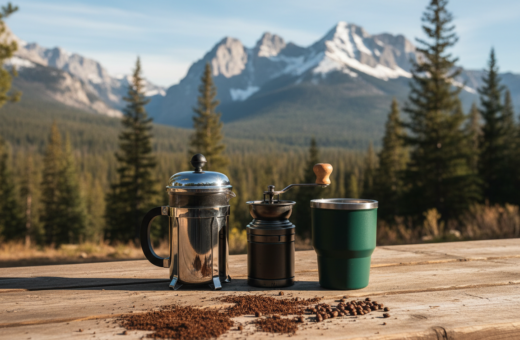
A French press suits 2–4 people who want a robust cup. Use a coarse grind and add hot water. Let it steep to pull full flavor from the grounds.
The GSI Java Press adds value with a shatterproof carafe wrapped in a thermal nylon sheath. It holds heat longer so the mug stays warm. Integrated cook systems like Jetboil accept a press attachment to cut total gear and weight.
- Steep for 8–10 minutes, then press to separate grounds.
- No paper filter needed, which reduces waste at camp.
- Pack out used coffee grounds to protect the site and leave no trace.
For travelers who also carry instant coffee or an espresso option, the press remains a versatile method. It delivers a steady, full-bodied cup with minimal extra parts and quick cleanup in the morning minutes.
Espresso Options for Bold Mornings
For travelers who crave intensity, a small espresso option delivers bold flavor without bulky gear.
The Bialetti Moka Pot is a classic stovetop espresso maker favored for travel. It uses steam pressure to push hot water through coffee grounds into the top chamber. Sizes range so a solo traveler or small group can pick what fits their pack and need.
Stovetop Moka Pot Basics
Pack grounds evenly in the filter basket to get consistent extraction. Metal construction makes the Moka pot durable for camping and road life. It is heavier than some ultralight options, but many find the flavor and strength worth the added weight.
- Strong kick: Espresso suits mornings that need a bold start.
- Versatile cup: Drink it straight or add hot water to make an Americano.
- Cleaner pour: GSI Espresso Maker uses a spigot to fill the cup and cut cleanup time.
“A compact espresso maker turns a quick stop into a sharp, satisfying ritual.”
The Simplicity of Cowboy Coffee
When gear is scarce, the cowboy approach proves both clever and reliable. This tradition needs only a clean pot or kettle and a heat source. It’s ideal for camping or a quick morning when a grinder or press is missing.
Basic process: bring water to a boil, stir in the grounds, then lower heat to a gentle simmer. Let it sit a minute or two to extract flavor, then remove from heat and allow the grounds to settle.
Sink Down Technique
After simmering, drizzle a little cold water across the top. This helps the grounds sink to the pot bottom faster.
Wait until the grounds settle before pouring slowly to keep them out of the cup.
Scoop Top Technique
Alternatively, let the grounds float and use a spoon to skim the top layer away.
This scoop top trick yields a cleaner pour and a smoother cup without a filter.
- No special gear: the ultimate backup when a maker is forgotten.
- Be patient with settle time for better flavor and fewer fines in the cup.
- Always start with a clean pot to avoid unwanted tastes.
“Cowboy coffee proves that a reliable cup does not need fancy tools.”
Cold Brew for Hot Weather Adventures
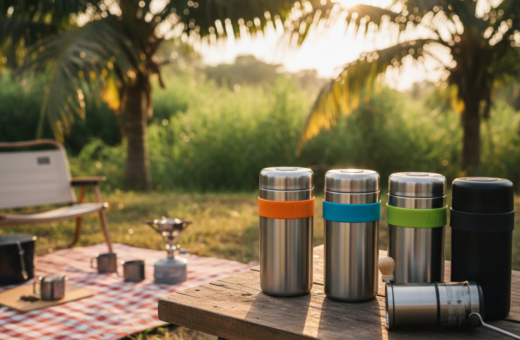
Cold steeping turns coarse grounds and cool water into a mellow concentrate that shines on hot days. This approach requires no heat source and relies on a long steep—generally 12–24 hours—to extract smooth flavor.
Why it works for camp life: the concentrate is low in acidity and easy to store. Make a large batch before a trip and keep it chilled in a cooler for several days.
When ready to drink, dilute the concentrate with cold water or milk to taste. Use a fine mesh strainer or a coffee sock to remove all the grounds so the cup stays clear and sediment-free.
- Low acidity: gentle on the stomach and refreshing on warm mornings.
- Batch friendly: saves prep time each day.
- Flexible: enjoy cold, or gently warm a portion if the weather cools.
“A no-heat concentrate keeps mornings simple and lets travelers focus on the day ahead.”
Choosing the Right Portable Grinder
Selecting a portable grinder means balancing weight, durability, and grind range. Travelers who grind fresh get brighter flavor and more control over extraction. A compact unit can fit inside a mug and saves pack space.
Hand Grinder Maintenance
The JavaPresse Coffee Grinder uses ceramic conical burrs adjustable from super-fine to coarse. That range lets a user dial in a proper size for a press, pour-over, or Moka-style cup.
Regular care keeps the burrs consistent. Clean the grinder after several uses and check the handle connection so it does not wear down mid-trip.
- Grind beans fresh at the campsite for a noticeable flavor boost.
- A portable grinder lets someone match grind size to the chosen brewing approach.
- Store beans in an airtight container until ready to grind.
- Investing in a quality grinder upgrades the overall morning routine.
“A reliable hand grinder delivers uniform grounds and better flavor with minimal weight.”
Upgrading Your Camp Mug Experience
A reliable insulated mug turns a quick campsite pour into a lingering morning ritual.
The right mug keeps the heat, reduces spills, and improves each sip. The Hydro Flask Coffee Mug uses double-wall insulation to keep a hot drink warm for hours. The GSI Infinity Mug is lighter and adds a neoprene sleeve for extra warmth retention.
Switching to an insulated mug makes it simple to enjoy a sunrise without rushing. Unlike enamel cups, insulated models protect hands and resist dents. They also cut heat loss so a brew stays flavorful longer.
- Durable and spill-resistant: ideal for travel or a moving van.
- Sizes for every need: pick a small cup for one or a larger mug for a shared batch.
- Better ritual: a quality mug enhances the morning ritual, whether tea or coffee is preferred.
“A good mug is an essential piece of gear for any traveler who values a long, relaxing morning cup.”
Conclusion
Every traveler develops a simple ritual that makes mornings feel like home.
Finding the right routine is a personal journey. They pick gear that fits weight limits, time, and taste. A french press, a single-serve filter, or instant options each answer different needs.
Consider speed and pack size first. Choose a single, reliable method that matches how they travel and how much time they have to brew each day.
Maintain gear and grinder regularly so fresh grounds deliver consistent flavor. Small care steps extend gear life across many trips.
In the end, the best camp coffee is the cup that brings comfort and joy while exploring the road ahead.